••
Ghana’s Governance Under Scrutiny: From ‘Katanomics’ in Energy to High-Stakes Institutional Disputes
•3 min read•19 sources
Recent developments in Ghana’s energy, transportation, and mining sectors have ignited a fierce debate over the nation’s institutional capacity and the sustainability of its long-term development strategies. At the heart of this discourse is a critique of “katanomics”—a term coined by Bright Simons, Vice President of IMANI Africa, to describe the persistent gap between grand political ambitions and the actual capacity of state institutions to deliver. While the government moves forward with high-profile commissions and regulatory overhauls, critics and industry stakeholders warn that structural weaknesses and legal conflicts continue to threaten both local entrepreneurship and national resource security.
In the energy sector, the commissioning of the MT Asharami Ghana LPG carrier by President John Dramani Mahama has become a flashpoint for this debate. While the vessel is expected to improve the reliability of the Liquefied Petroleum Gas (LPG) supply chain, Simons argues that such milestones often mask deeper failures, such as the idle Tema LNG terminal and costly legal disputes arising from past "emergency" deals. This sentiment is echoed in Parliament, where George Kwame Aboagye, Ranking Member of the Energy Committee, recently questioned the government’s spending priorities. Aboagye criticized the allocation of GH¢300 million for sanitary pads while land compensation for the critical Petroleum Hub project remains unsettled, suggesting a disconnect between fiscal policy and strategic industrial goals.
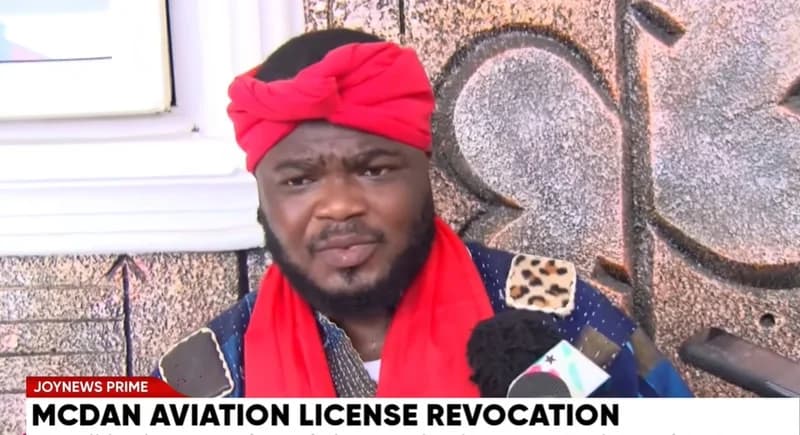
Institutional friction is also visible in the aviation and transport sectors. The Ghana Airports Company Limited (GACL) is currently embroiled in a bitter legal battle with McDan Aviation over the termination of the latter’s license at Kotoka International Airport’s Terminal 1. While GACL cites unpaid fees as the cause, the Coalition of GaDangme Pressure Groups and the Sempe Traditional Area have condemned the move as a “hostile takeover” that undermines indigenous businesses and investor confidence. Similarly, Metro Mass Transit (MMT) management is fighting back against private encroachment at the Opera Square terminal in Accra. MMT officials report unauthorized construction and property destruction by developers, an issue they argue jeopardizes the state’s plans to expand public transport with 300 new buses scheduled for arrival next month.
Amidst these disputes, the government is attempting to bring order to the extractive sector through the Responsible Cooperative Mining and Skills Development Programme (rCOMSDEP). Launched in partnership with the Minerals Commission, this nationwide registration aims to formalize small-scale mining by transitioning artisanal groups into legally recognized cooperatives. The pilot phase in the Western and Western North Regions seeks to ensure environmental compliance and gold supply chain traceability. Concurrently, in the Upper East Region, Regional Minister Donatus Akamugri Atanga recently toured the Gbane mine following a court order to bolster security. These efforts reflect a broader push to reconcile local community interests with national development frameworks, even as legal and regulatory hurdles persist across Ghana’s economic landscape.
This story touches markets covered on Anansi Intelligence ↗.
Live rates
Ghana gold price →More from politics
Continue exploring similar stories


