••
Ghana’s Governance Landscape: Balancing Energy Expansion, Natural Resource Protection, and Fiscal Accountability
•3 min read•24 sources
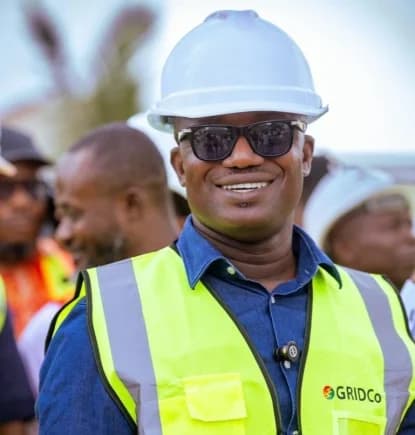
Ghana’s government is currently navigating a complex period of infrastructure expansion and policy reform, led by significant moves in the energy and transport sectors. Energy Minister Dr. John Abdulai Jinapor recently announced plans to deploy over 1,000 megawatts of emergency power to address the nation’s energy deficit and visited the Akosombo Switchyard to inspect a new temporary control room. Simultaneously, Transport Minister Joseph Bukari Nikpe is pushing to re-establish a national airline as a private-led venture with a minority government stake, aiming to position Ghana as a West African aviation hub. However, these modernization efforts face internal resistance, notably from staff groups at the Volta River Authority (VRA) and Northern Electricity Distribution Company (NEDCo), who have firmly rejected a proposal for private sector participation in power distribution, citing fears of job losses and compromised service delivery.
The administration’s management of natural resources and the environment remains a focal point of public and legal scrutiny. The Ministry for Lands and Natural Resources recently inaugurated ten new forest protection camps to combat illegal logging and mining (galamsey), supported by the UK-Ghana Forest Governance Partnership. In the courts, the Akonta Mining trial has highlighted legal nuances in the Minerals and Mining Act, with former Deputy Minister George Mireku Duker testifying that land reclamation activities do not legally constitute an assignment of mineral rights. Amidst these legal battles, private firms like Kofreze Construction are petitioning for state intervention against illegal encroachers, while industry advocates like the OBZ Group are calling for the regulation of fuel sales at mining sites to starve illegal operations of necessary machinery fuel.
Accountability concerns are also mounting across various state institutions and fiscal frameworks. The Public Interest and Accountability Committee (PIAC) has accused the government of breaching the Petroleum Revenue Management Act by maintaining a $100 million cap on the Ghana Stabilisation Fund instead of the legally required $584.22 million. These financial tensions are mirrored in the transport sector, where railway workers have demanded a probe into the alleged misapplication of GH¢40 million intended for the Accra–Nsawam line. While the Transport Minister has released funds to clear long-standing salary arrears for railway staff, the sector remains under pressure to improve record-keeping and transparency following audits from the Public Accounts Committee.
On the broader socio-economic front, several localized issues are testing the government’s responsiveness to community needs. In Assin Darmang, an 85% complete 'Agenda 111' hospital project has reportedly been abandoned, turning into a hazard for residents. Similarly, in Kaneshie, the prolonged closure of a vital footbridge is forcing commuters to risk their lives crossing a busy highway daily. In the agricultural sector, cocoa farmers are accusing COCOBOD officials of undermining the industry through private buying activities. Together, these developments illustrate a government striving for large-scale development goals while contending with critical challenges in labor relations, fiscal compliance, and the maintenance of essential public infrastructure.
This story touches markets covered on Anansi Intelligence ↗.
More from politics
Continue exploring similar stories


