••
Navigating Ghana’s Political Crossroads: Governance Critiques, Regional Tours, and Institutional Accountability Shape National Discourse
•3 min read•68 sources
Ghana’s political landscape is currently defined by a confluence of rigorous governance critiques, high-stakes regional tours, and a growing demand for accountability within public institutions. Observers and political commentators, including Charles K. Amoo-Asante, have raised alarms over what they describe as a ‘governance crisis’ characterized by systemic corruption, the environmental ravages of illegal mining (galamsey), and a perceived decline in public service delivery. These criticisms set a somber backdrop for the nation’s democratic health, with calls for urgent reforms in law enforcement, healthcare, and infrastructure to prevent further societal decay. The discourse has been further sharpened by the 'politics of insult,' most notably the controversy involving Dr. Mary Awusi, CEO of the Ghana Free Zones Authority, whose remarks regarding religious leadership on the galamsey issue sparked a national outcry. Despite apologies from the Chief of Staff, figures like Richard Ahiagbah of the NPP and various religious bodies, including the Christian Council and the Catholic Bishops’ Conference, have insisted that mere apologies are insufficient, advocating for higher standards of conduct among public officials to protect the integrity of democratic expression.
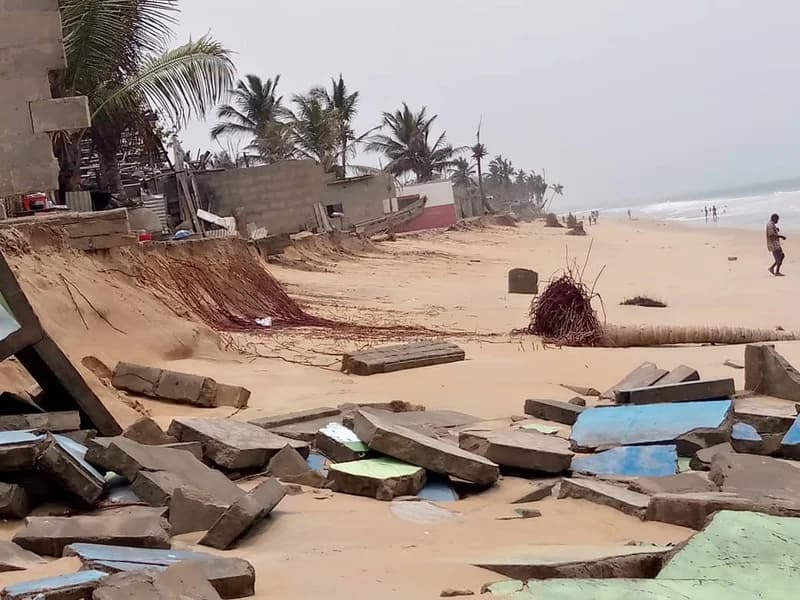
Simultaneously, the political environment is being energized by active grassroots engagement and regional reorganization. Former President John Dramani Mahama has embarked on a 'Resetting Ghana' tour, visiting the Eastern and Volta Regions to inspect infrastructure projects and engage with communities devastated by environmental challenges. During his visit to Fuveme, Mahama assured residents that the $150 million World Bank-funded West Africa Coastal Areas (WACA) project would soon provide relief through sea defense construction. This regional focus is mirrored in internal party dynamics, such as Clifford A. Braimah’s tour of the Savannah Region to bid for the NPP regional chairmanship and Kofi Okantah’s reform-driven campaign for the NPP Germany Branch secretary position. However, internal frictions remain visible, exemplified by the heated dispute in Ejisu between the NDC Ashanti Regional Women’s Organiser, Gloria Huze, and the Municipal Chief Executive, Jerryne Asante, over the management of government resources.
Sectoral grievances also continue to pressure the government, bridging the gap between labor rights and political policy. The Ghana National Association of Teachers (GNAT) has emerged as a vocal critic of the government’s plan to recruit only 7,000 teachers, arguing that the exclusion of over 3,000 additional trained graduates poses a national security risk due to rising unemployment. On the legal front, MP Vincent Ekow Assafuah has condemned the reintroduction of entrance exams for the Ghana School of Law as a ‘betrayal of trust,’ while legal battles over the discriminatory nature of school admission policies, such as those at Wesley Girls' High School, continue to test the constitutional framework. Furthermore, institutional shifts are occurring on the political fringes, with Shalimar Abbuisi, the former spokesperson for The New Force, publicly distancing herself from the movement and revoking consent for the use of her likeness.
As Ghana moves toward its next major electoral cycle, these developments highlight a nation grappling with the balance of traditional authority and modern governance. The Asantehene, Otumfuo Osei Tutu II, remains a pivotal figure for national stability, receiving praise from both the Presidency and the Commonwealth for his ‘masterclass’ in peacemaking. However, the path forward is complicated by political polarization and the erosion of trust in public institutions. The upcoming months will likely see an intensification of these debates as political actors strive to reconcile infrastructure development and youth empowerment goals with the persistent demands for transparency and ethical leadership in the public sphere.
This story touches markets covered on Anansi Intelligence ↗.
Related topic
NDC (National Democratic Congress): Latest News →More from politics
Continue exploring similar stories


