••
National Scrutiny Mounts Over Alleged Gold Reserve Mismanagement and COCOBOD Integrity Concerns
•3 min read•9 sources
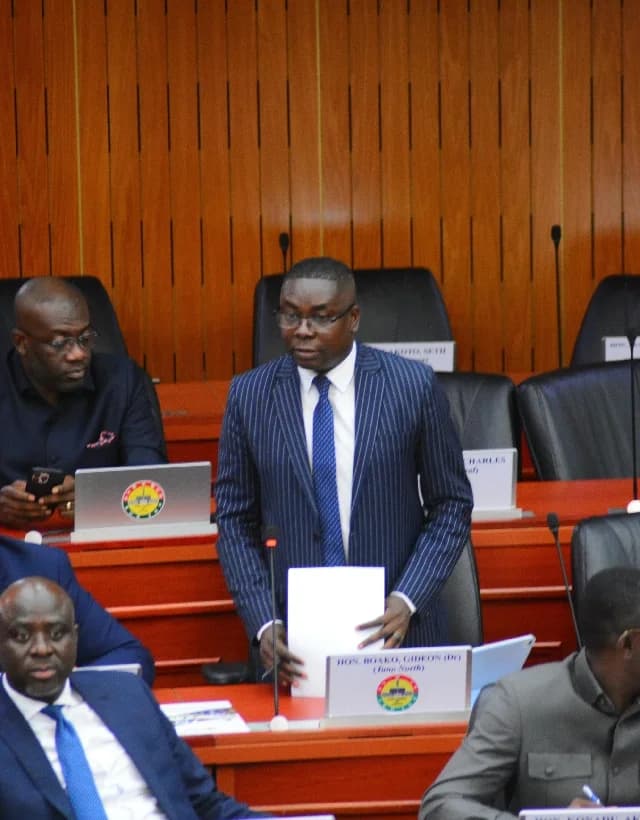
Ghana's political landscape is currently dominated by serious allegations of financial mismanagement and urgent calls for high-level accountability. Dr. Gideon Boako, the Member of Parliament for Tano North, has sparked a national debate by demanding a bi-partisan inquiry into what he describes as the criminally intended sale of 18 tonnes of the country's gold reserves. Speaking during the State of the Nation Address debate, Dr. Boako alleged that the reserves were sold between September and December 2025 at a rate of $3,500 per ounce, despite projections that the state would later need to repurchase the gold at $5,500 per ounce. He raised concerns of potential insider trading and a lack of transparency regarding the identity of the buyers, characterizing the transaction as a strategic attempt to loot national resources. The scrutiny extends deeply into the cocoa sector, where both administrative integrity and pricing strategies are under fire. On March 4, 2026, the Office of the Special Prosecutor (OSP) arrested Ato Boateng, the Deputy CEO of Finance and Administration at the Ghana Cocoa Board (COCOBOD), over allegations of conflict of interest involving his former company, Atlas Commodities Limited. Although Boateng was granted bail and maintains his innocence—citing his resignation from the firm prior to his public appointment—the arrest has intensified concerns over governance within the board. Simultaneously, a political row has erupted over cocoa prices; while NPP communicator Dennis Miracles Aboagye faced fact-checking corrections for claiming global prices hit $13,000 per tonne when they actually peaked at $11,500, the Minority in Parliament continues to protest recent farmgate price reductions. These protests were dismissed by Ho Central MP Richmond Kofi Edem Kpotosu as political noise, arguing that price adjustments are driven by global market conditions rather than government malice. Broader economic concerns are also surfacing, with prominent voices warning against complacency regarding recent fiscal indicators. Member of Parliament Kojo Oppong Nkrumah cautioned that the recent drop in inflation to 3.3 percent might be short-lived, attributing the decline to tight monetary policy by the Bank of Ghana rather than structural productivity gains. He emphasized that rising production costs, particularly electricity tariffs, pose a significant risk of driving inflation back up if structural issues remain unaddressed. In a related effort to maintain consumer fairness, the National Petroleum Authority (NPA) has defended its uniform fuel pricing policy, which ensures consumers pay the same price for fuel across Ghana, regardless of geographic location. These combined developments highlight a period of intense institutional pressure as the government navigates accusations of corruption, market volatility, and the complex task of ensuring long-term economic stability.
This story touches markets covered on Anansi Intelligence ↗.
Related topic
NPP (New Patriotic Party): Latest News →Live rates
Bank of Ghana policy rate →More from politics
Continue exploring similar stories


