••
Gold Sector Drives Record $18.2 Billion Export Earnings for Ghana in First Half of 2026
•3 min read•31 sources
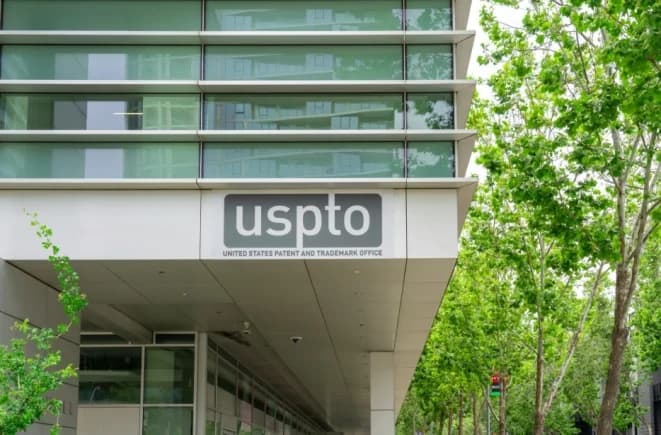
Ghana’s export earnings reached an unprecedented $18.2 billion in the first half of 2026, a surge largely fueled by the robust performance of the gold sector. According to data from the Bank of Ghana, gold exports alone generated $12.5 billion, representing more than two-thirds of the nation's total export receipts. This performance marks a significant increase from the $13.7 billion recorded during the same period in 2025, when gold exports stood at $8.3 billion. The surge in mineral wealth, supported by cocoa earnings of $2.2 billion and crude oil exports of $1.7 billion, has expanded Ghana’s trade surplus to $8.8 billion. This strengthened trade position is expected to significantly bolster the nation’s foreign exchange reserves, with additional inflows of over $500 million from development partners anticipated by the third quarter of 2026.
To sustain this growth and protect the central bank’s balance sheet, the Bank of Ghana (BoG) is finalizing a transition that shifts the financial responsibility for the Ghana Gold Board (GoldBod) to the central government. Governor Dr. Johnson Pandit Asiama confirmed that the BoG ceased direct funding of GoldBod activities effective July 1, 2026. In tandem with this shift, GoldBod has introduced a new trade financing framework for Tier 2 Licensed Gold Buyers to enhance accountability. This framework mandates strict KYC procedures and requires beneficiaries to secure financing with guarantees covering 10-50% of the value. Economists, including Associate Professor Williams Kwasi Peprah, have urged the Ministry of Finance to provide clear funding strategies in the mid-year budget review to ensure GoldBod’s operations remain seamless without crowding out private sector credit through open-market borrowing.
Parallel to these financial reforms, Ghana has intensified efforts to formalize the artisanal and small-scale mining (ASM) sector through a strategic partnership with the World Gold Council (WGC). The WGC has committed an initial $250,000 as part of a $1 million grant to establish a gold verification ecosystem and the Responsible Cooperative Mining Scheme Development Programme (rCOMSDEP). This initiative aims to reduce illegal gold trading, establish compliant processing plants, and integrate small-scale miners into the formal value chain. WGC Chairman David Tait has described Ghana as a global pioneer in responsible mining, advocating for a non-partisan approach to tackle the environmental challenges of illegal mining, commonly known as 'galamsey.'
On the corporate and investment front, the Minerals Income Investment Fund (MIIF) reported a resilient profit of GH"1.1 billion for 2025, despite regulatory changes to royalty allocations. MIIF CEO Justina Nelson highlighted the fund's growth, noting that royalty collections reached GH"5.39 billion in the first half of 2026, significantly exceeding targets due to favorable global gold prices. MIIF is also expanding its international footprint, hosting delegations from Zambia to share sovereign investment blueprints and exploring structured finance partnerships with the Ghana International Bank. Additionally, the investment climate received a boost as Ghana became the first African nation to sign an Accelerated Patent Grant agreement with the United States, allowing U.S. patent holders to expedite applications in Ghana, further signaling the country’s readiness for high-value technological and industrial investment.
This story touches markets covered on Anansi Intelligence ↗.
Live rates
Ghana gold price →More from business
Continue exploring similar stories


