••
Ghana Accelerates Industrial Transformation with 2030 Gold Export Ban and Strategic Energy Sector Reforms
•3 min read•15 sources
Ghana is embarking on a significant shift toward value addition and industrial self-sufficiency, headlined by a government mandate to ban the exportation of unrefined gold by 2030. Announced by Samuel Gyamfi, CEO of the Ghana Gold Board, this policy aims to maximize domestic revenue and ensure the country determines the purity and value of its mineral resources. To support this transition, construction began in late 2023 on a state-of-the-art, ISO-certified metallurgical assay and refining laboratory. This move toward domestic processing is mirrored in the petroleum sector, where the government plans to begin processing up to 33,000 barrels of domestic crude per day from the Jubilee, TEN, and Sankofa fields at the Tema Oil Refinery. By reducing reliance on imported refined products, the initiative seeks to lower freight and insurance costs, ultimately providing more affordable fuel for the Ghanaian market.
In the mining sector, strategic partnerships and leadership changes are set to drive production growth. Prestea Sankofa Gold Limited, a subsidiary of the Ghana National Petroleum Corporation (GNPC), has signed a Memorandum of Understanding with Kingmamo Resources Holdings to double its gold output. The partnership will introduce advanced Chinese mining equipment and technical training, with the goal of increasing monthly production from 50 kg to 150 kg. Simultaneously, the Ghana Chamber of Mines has ushered in new leadership, electing Ing. Frederick Attakumah as President. Attakumah has set ambitious targets to increase national gold production to seven million ounces while prioritizing environmental, social, and governance (ESG) standards and local value creation.
On the global stage, Ghana is actively courting international investment to expand its energy infrastructure. During the Global Energy Show in Canada, Judith Adjobah Blay, CEO of Ghana National Gas Company Limited, highlighted that the company already saves the nation $1.3 billion annually by supplying 84% of the fuel required for thermal power generation. To sustain this momentum, Ghana Gas is planning a second processing plant and an expanded onshore pipeline network. These efforts are complemented by regional collaborations, such as the African Atlantic Gas Pipeline project, which aims to solidify Ghana's position as a central hub for energy security in West Africa.
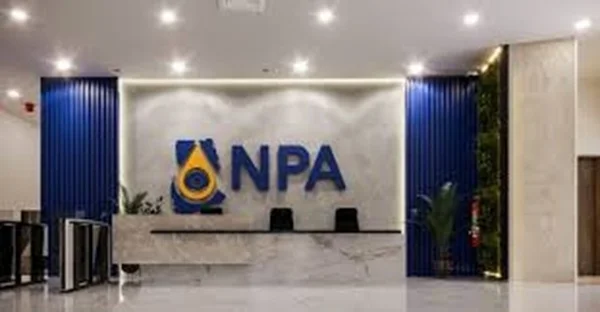
Finally, the regulatory and operational landscape of the petroleum sector has reached new milestones in excellence. The National Petroleum Authority (NPA) recently made history as the first public sector institution in Ghana to achieve a triple ISO certification in Quality Management, Environmental Management, and Occupational Health and Safety. This achievement underscores a commitment to international standards that is being matched by infrastructure improvements on the ground. For instance, the NPA recently inaugurated an ultra-modern rest stop for fuel tanker drivers at the BOST Kumasi depot. Donated by ROCK AFRICA, the facility is designed to reduce driver fatigue and improve road safety, signaling a holistic approach to industry growth that balances economic output with operational safety and worker welfare.
This story touches markets covered on Anansi Intelligence ↗.
Live rates
Ghana gold price →More from business
Continue exploring similar stories


