••
Ghana Gold Board Reports $10B Revenue as Government Secures 30% Stake in Large-Scale Mining Output
•2 min read•15 sources
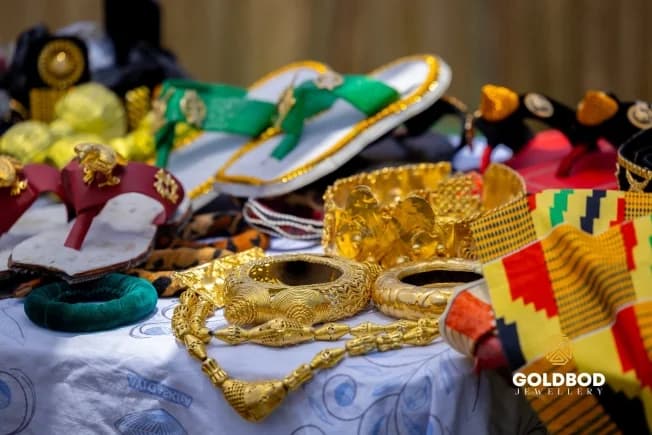
The Ghana Gold Board (GoldBod) has recorded a historic financial performance, generating over $10 billion from gold exports in 2025. This surge in revenue has significantly bolstered the nation’s macroeconomic indicators, contributing to a 41% appreciation of the Ghana cedi against the U.S. dollar and a substantial increase in foreign reserves. According to Deputy Finance Minister Thomas Nyarko Ampem, the country’s foreign reserves grew from $8.98 billion in late 2024 to $13.8 billion by December 2025. This success was largely driven by the artisanal and small-scale mining (ASM) sector, which provided 98% of the 135.843 tonnes of gold purchased by GoldBod between January 2025 and May 2026.
Building on this momentum, the Government of Ghana has finalized a landmark agreement with the Ghana Chamber of Mines to acquire 30% of the gold output from all large-scale mining companies operating in the country. Effective July 1, 2026, this new arrangement requires mining firms to sell their gold in doré form to GoldBod. Transactions will be conducted in Ghana cedis using the Bank of Ghana’s Reference Rate, with a 0.55% discount applied. This initiative marks a strategic shift from previous arrangements, focusing on local currency liquidity and domestic value retention.
These measures are central to the Ghana Accelerated National Reserve Accumulation Programme (GANRAP), which aims to strengthen the nation’s economic sovereignty and financial stability. By purchasing gold locally in cedis, the government intends to reduce the pressure on foreign exchange while building a robust national gold reserve. Minister Ampem emphasized that the government is also implementing legislative reforms to enhance transparency and curb gold smuggling, which has historically drained the nation of vital mineral wealth.
Looking ahead, the government’s long-term strategy involves achieving London Bullion Market Association (LBMA) accreditation for a local gold refinery by 2030. This goal aligns with the national vision to eliminate the export of raw minerals and ensure that Ghana captures the full value chain of its natural resources. By processing gold domestically and securing international accreditation, Ghana seeks to position itself as a premier gold hub in Africa, ensuring that its mineral wealth translates into sustainable economic development for all citizens.
This story touches markets covered on Anansi Intelligence ↗.
Live rates
Ghana gold price →More from business
Continue exploring similar stories


