••
Ghana Braces for Severe Storms as Environmental Stakeholders Call for Youth-Led Climate Resilience
•2 min read•3 sources
The Ghana Meteorological Agency (GMet) has issued an urgent weather warning as a significant rain-bearing system from Nigeria and Benin moves across West Africa toward Ghana. Beginning the evening of June 10, 2026, widespread thunderstorms and heavy rainfall are expected to impact major urban centers including Accra, Kumasi, Ho, and Kasoa. The Agency warns that these conditions will likely lead to flash floods in low-lying and vulnerable areas, accompanied by strong winds that could pose risks to property and infrastructure. Beyond the inland threats, GMet has also flagged rough sea conditions, advising the marine community and those living along the coast to exercise extreme caution.
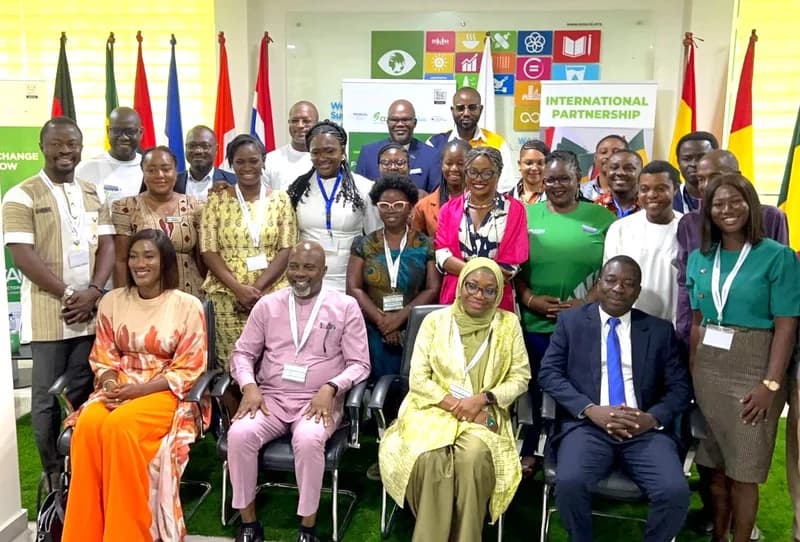
This immediate weather threat coincides with renewed calls from environmental experts for more robust and inclusive climate adaptation strategies. During a dialogue organized by the West African Science Service Centre on Climate Change and Adapted Land Use (WASCAL) to mark World Environment Day, stakeholders highlighted that erratic rainfall and recurrent flooding have become defining challenges for the nation. WASCAL’s Executive Director, Prof. Emmanuel Ramdé, emphasized that while recent government measures—such as the ban on Styrofoam and polystyrene—are critical steps forward, more aggressive action is required to address the broader plastic waste crisis and its role in clogging drainage systems and exacerbating flood risks.
A central theme of the discussions was the necessity of prioritizing young people in Ghana’s climate policy framework. Participants argued that because the youth will bear the long-term brunt of environmental degradation, they must be active participants in decision-making processes rather than passive observers. To foster this involvement, the event highlighted the importance of grassroots innovation, pointing to initiatives like the WASCAL Innovative Ideas Competition for Sustainable Energy as a model for developing localized solutions to climate resilience and sustainable resource management.
As the country prepares for the incoming storms, the convergence of immediate meteorological warnings and long-term policy advocacy underscores the complexity of Ghana's environmental landscape. Addressing these challenges requires a dual approach: immediate disaster preparedness to mitigate the impact of the current weather system and a sustained commitment to youth-centered climate policies. Moving forward, stakeholders believe that integrating innovative youth perspectives with government-led environmental regulations will be pivotal in building a more resilient nation capable of weathering increasingly unpredictable climate patterns.

