••
GIABA and Ghana Government Advance Multi-Pronged National Security and Institutional Reforms
•3 min read•16 sources
The Inter-Governmental Action Group against Money Laundering in West Africa (GIABA) and the Ghanaian government have intensified efforts to strengthen national and regional security through a series of institutional reforms and tactical operations. GIABA recently reported significant progress by ECOWAS Member States in complying with international anti-money laundering and counter-terrorist financing (AML/CFT) standards. Under the leadership of Acting Director Mr. Edwin W. Harris Jr., the organization highlighted that while technical compliance is improving, the effectiveness of national systems remains a priority as the region faces evolving threats from cybercrime and illicit financial flows. Domestically, the Ghana Army has bolstered this security posture by launching "EXERCISE STARLIGHT STRETCH II" in Nkwanta, Oti Region, a three-week initiative aimed at enhancing operational readiness and inter-agency collaboration to combat terrorism and internal security challenges.
Simultaneously, the Ministry of the Interior, led by Minister Muntaka Mohammed-Mubarak, has introduced stricter internal controls, including a controversial directive to revoke or suspend civilian firearm licenses. This move, which mandates new compliance measures like mental health screenings, has drawn scrutiny from a coalition of civil society organizations (CSOs) led by the Jatikay Centre for Human Security and Peace Building. While supporting tighter gun control, the CSOs warned of "administrative gaps" and "panic administration," urging the government to establish a clearer operational framework to avoid legal uncertainty. Furthering the legislative agenda for citizen protection, Member of Parliament for Damongo, Samuel Abu Jinapor, has called for a comprehensive national evacuation policy to provide a permanent institutional framework for Ghanaians caught in foreign crises, particularly citing safety concerns in South Africa.
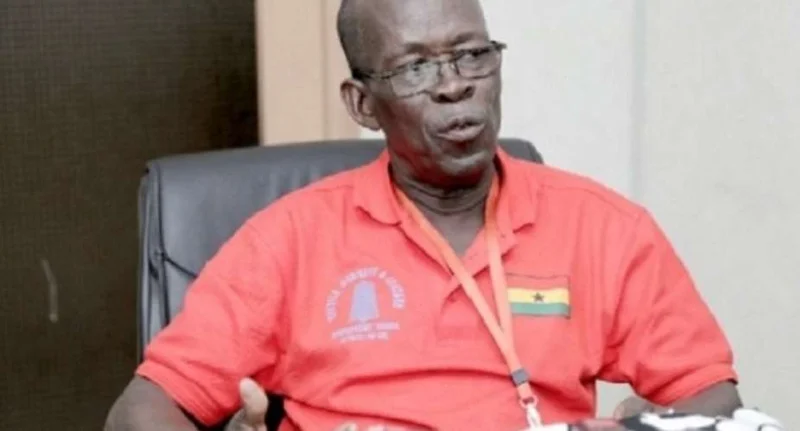
On the social and infrastructure front, Chief of Staff Julius Debrah has emphasized that national security is intrinsically linked to youth empowerment and public health. Speaking on the fight against drug abuse, Debrah advocated for a multifaceted approach that combines law enforcement with education and job creation to deter substance abuse among the youth. This call for modernization is echoed by the Ghana Federation of Labour (GFL), whose Secretary General, Mr. Abraham Koomson, demanded an urgent retooling of the Ghana National Fire Service (GNFS). Koomson noted that the service currently lacks the equipment and technology necessary to manage modern disasters, such as industrial accidents and severe floods, which pose a direct threat to national economic stability.
Finally, the government is leveraging public-private partnerships to tackle transnational organized crime. The Ghana Immigration Service (GIS) and the Economic and Organised Crime Office (EOCO) are streamlining operations through enhanced command synergy and intelligence sharing. Notably, a partnership between EOCO and QNET has successfully targeted human trafficking networks, resulting in the rescue of over 300 victims. As these various initiatives converge, the focus remains on building a resilient national infrastructure—spanning from border security and financial integrity to disaster management and social welfare—to ensure long-term stability and growth in a complex regional environment.
Related topic
Ghana Immigration Service Recruitment: Latest News →
