••
Ghana Faces Infrastructure Funding Crisis as 2026 Report Card Highlights Urgent Need for $1.2bn Aviation Investment and Solar Expansion
•3 min read•8 sources
The Ghana Institution of Engineering (GhIE) has issued a stark warning regarding the state of the nation’s development, grading Ghana’s overall infrastructure with a 'Poor to Fair' D3 rating (57%) in its 2026 Report Card. This assessment, which covers eight critical sectors including energy, transport, and water, highlights a chronic funding crisis and a weak maintenance culture that threaten to undermine national economic growth. While the aviation sector emerged as the top performer with a C3 (71%) grade, Ing. Dr. Patrick Amoah Bekoe, Vice-President of the GhIE, emphasized that the sector still requires over $1.2 billion in infrastructure investment to meet future demand and solidify Ghana’s status as a regional hub. Conversely, the roads and railway sectors received the lowest marks, at 50% and 48% respectively, due to operational inefficiencies and deteriorating conditions.
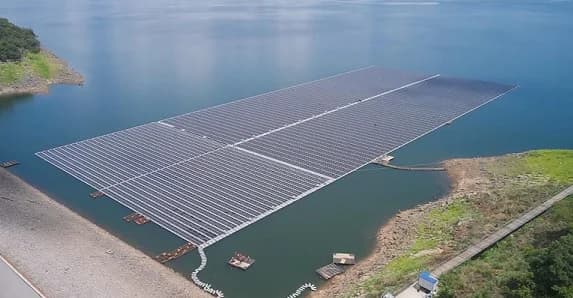
In response to these infrastructure gaps, the government and private stakeholders are pivoting toward strategic large-scale projects to bolster industrial capacity. Presidential Advisor Augustus Goosie Tanoh recently announced that the first phase of the 1,500-megawatt Buipe Solar Power Project is scheduled to commence in August 2026. This initiative is a cornerstone of the 24-Hour Economy and Accelerated Export Development Programme, aiming to drastically reduce industrial electricity costs from the current 18-23 cents to between 7-9 cents per kilowatt-hour. By incorporating battery energy storage, the project seeks to provide the reliable, low-cost power necessary to make Ghanaian manufacturing and exports globally competitive while addressing the 'D1' rating currently held by the electric power sector.
Beyond energy and aviation, significant efforts are underway to address water security and environmental sustainability. A high-level delegation led by Togbe Afede XIV and Strategic Initiatives Limited recently assessed the Kpeve Water Treatment Plant for a proposed expansion. This investment aims to increase production capacity to meet the rising demand for safe drinking water in the Volta Region, directly addressing the maintenance and capacity issues flagged in the national infrastructure report. Simultaneously, the Commissioner-General of the Ghana Revenue Authority (GRA), Anthony Kwasi Sarpong, has called on the private sector to support youth-led environmental initiatives. This push for improved sanitation is seen as a vital protective measure for public health and infrastructure, particularly in flood-prone urban areas.
To ensure the longevity of these new and existing investments, engineering experts are advocating for a fundamental shift in project management. Road construction consultant Ing. Kwabena Bempong has stressed that better planning—specifically scheduling major works outside the rainy season and prioritizing robust drainage systems—is essential to prevent recurring flood damage to the national road network. The GhIE has formally recommended the establishment of a National Infrastructure Council to oversee performance monitoring and bridge the systemic funding gaps. As Ghana moves toward 2027, the success of the 24-Hour Economy will likely depend on the country's ability to synchronize these massive capital investments with a renewed commitment to maintenance and strategic urban planning.
This story touches markets covered on Anansi Intelligence ↗.
Related topic
Ghana Customs Recruitment: Latest News & Updates →More from business
Continue exploring similar stories


