••
Ghana Education Service Warns SHS Heads Against Illegal Fees Amid Placement Fraud Arrests and Audit Calls
•3 min read•9 sources
The Ghana Education Service (GES) has issued a stern warning to heads of second-cycle institutions to immediately cease the collection of unauthorized fees as first-year students begin reporting for the 2026/2027 academic year. With 87.3% of qualified candidates successfully placed, the GES management emphasized that the government’s free senior high school policy prohibits schools from compelling parents to pay admission fees or Parent-Teacher Association (PTA) dues, the latter of which is currently subject to judicial review. School heads found in violation of these directives have been ordered to refund any illegal charges or face administrative sanctions. This move by the GES aims to protect parents from financial exploitation during the crucial admission window that began on September 18, 2026.
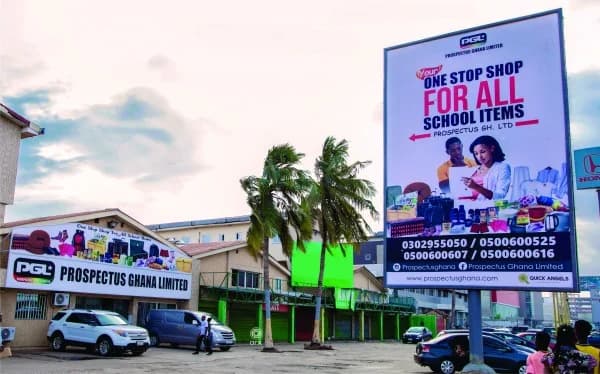
While the GES addresses fee compliance, law enforcement has intensified efforts to tackle corruption within the Computerized School Selection and Placement System (CSSPS). Four individuals, including a physician assistant, were recently arrested in Kumasi and Accra for their alleged involvement in a placement fraud scheme. Investigations revealed that suspects collected sums as high as GH₵8,500 by promising to secure specific school placements for students, only for those placements to fail. In a related development, Prospectus Ghana Limited has defended its "EduPack" program against scam allegations, asserting that delivery delays for boarding essentials were not fraudulent and that all official payments remain traceable and independent of the government’s Free SHS program.
Integrity concerns have also extended to the National School Feeding Programme, where the National Association of Graduate Teachers (NAGRAT) is demanding an immediate audit of enrollment figures. NAGRAT President Jacob Anaba called for the probe following allegations from National Coordinator Hajia Fati Forgor that some head teachers are inflating pupil numbers to secure higher resource allocations. Anaba argued that such manipulation undermines the program’s objectives and deprives truly needy schools of necessary funding. He emphasized that transparency in enrollment data is essential to ensure students receive the high-quality, nutritious meals required for effective learning and concentration.
To address the broader challenges of access and equity, various stakeholders are advocating for systemic reforms and providing direct support to families. Prof. Solomon Forkuo Kwarteng of Kumasi Technical University has urged the GES to implement special considerations for rural students, suggesting that those with BECE aggregates between 12 and 20 should have equal access to Category A schools as their urban counterparts. Meanwhile, Alexander Akwasi Acquah, the MP for Akyem Oda, has donated GH₵500,000 worth of educational materials to 1,000 students to ease the financial burden on his constituents. These efforts, alongside public-private partnerships such as the scholarship expansion by the KGL and GNPC foundations, highlight a national push to transform educational access into a driver for human potential and progress.
Related topic
Ghana Education Service (GES): Latest News Today →

