••
Ghanaian Educational Leaders and Media Partners Drive New Gender Inclusivity and Youth Mentorship Initiatives
•3 min read•6 sources
In a concerted effort to foster gender equality and empower the next generation of female leaders, several high-impact initiatives have been launched across Ghana's educational and media sectors. From the Volta Region to Sunyani, stakeholders are focusing on mentorship, gender-responsive teaching, and sensitive reporting to dismantle systemic barriers. These programs, occurring in September 2026, highlight a multi-sectoral approach to ensuring that adolescent girls and women are equipped with the skills and support systems necessary to thrive in both academic and professional environments.
In the Volta Region, the 2026 Adolescent Mentorship and Empowerment Camp (AMEC) brought together 60 girls from 30 different schools to cultivate self-belief and ambition. Mrs. Mariam Jemima Akua Adzroe, the Acting Volta Regional Director of Education, urged participants to embrace practical training and seek guidance from positive role models. Supported by Global Affairs Canada, the camp featured experts such as Dr. Sefakor Adinyirah and Madam Stella Mawusi Mawutor, who specifically encouraged the girls to pursue careers in Science, Technology, Engineering, and Mathematics (STEM). The sessions emphasized that personal growth, hygiene, and making informed life choices are critical foundations for competitive success in the modern world.
Parallel to these youth initiatives, Sunyani Technical University (STU) recently held a workshop on Gender-Responsive Pedagogy to enhance inclusivity within higher education. The workshop, organized by the Department of Persons with Disabilities, aimed to equip academic and non-academic staff with strategies to support women in traditionally male-dominated fields. STU officials noted that initiatives like tuition discounts for female engineering students have already significantly boosted enrollment. However, lead speaker Mrs. Nana Ama Mensah and the University's Vice-Chancellor also addressed the darker side of gender issues, calling for a rigorous stance against sexual harassment and gender-based violence to ensure a respectful and safe academic environment.
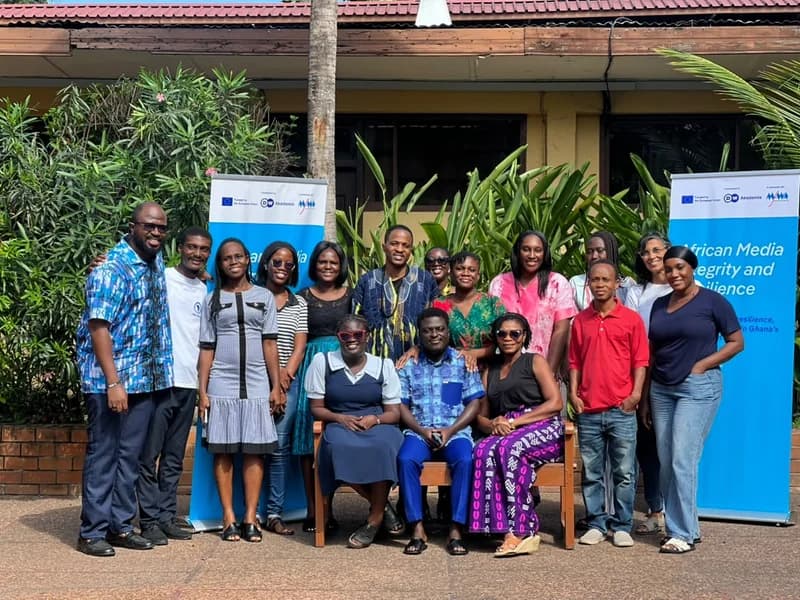
Complementing these institutional shifts, the media's role in shaping public perception was addressed through a training program launched by DW Akademie. Under the EU-funded African Media Integrity and Resilience (AMIR) Programme, journalists were trained between September 7 and 11, 2026, on the nuances of gender-sensitive reporting. Senior Consultant Sheila Mysorekar emphasized that accurate, solution-oriented reporting requires recognizing unconscious biases and diversifying sources. By improving how gender issues are covered in the news, the initiative aims to create a more inclusive media landscape that reflects and supports the progress being made in schools and universities.
Collectively, these programs signal a robust commitment to national development through the lens of gender equity. By addressing the needs of adolescent girls, university students, and media professionals simultaneously, Ghana is building a comprehensive framework for social change. As these participants return to their respective schools and newsrooms, the focus remains on sustaining this momentum to ensure that gender inclusivity becomes a standard practice rather than an isolated initiative.

