••
Ghana Enhances Educational Resilience through 100,000-Facilitator AI Training and Global Sustainability Summit
•2 min read•7 sources
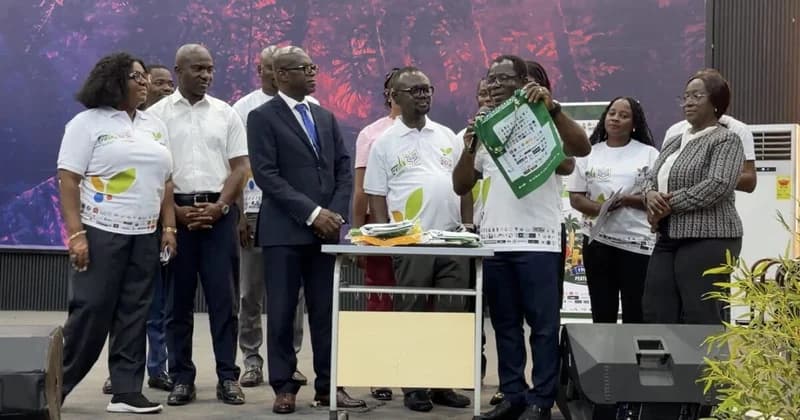
Ghana’s education sector is undergoing a significant transformation driven by high-level technological partnerships and international academic collaborations. Central to this evolution is the launch of the "AI EmpowerED" initiative, a partnership between the Ghana Technical and Vocational Education and Training (TVET) Service, UNESCO, KPMG, and Microsoft. This program aims to train at least 100,000 TVET facilitators in artificial intelligence and digital skills, ensuring the national curriculum remains future-ready. By equipping educators with these advanced tools, the initiative seeks to foster youth innovation and meet the increasingly sophisticated demands of the global labor market.
Simultaneously, Pentecost University has been announced as the host for the third International Conference on Environmental, Social Governance and Sustainable Development of Africa (ICESDA 2026). Scheduled for October 2026, the conference will bring together approximately 700 participants from over 15 countries to discuss the theme, "The Africa We Want: Driving Transformational and Inclusive Green Growth through ESGs and Digitalisation." Academic leaders, including Professor De-Graft Owusu-Manu and Professor Douglas Boateng, emphasize that the summit will focus on tailoring global ESG standards to fit Africa’s unique economic realities, which is essential for local businesses seeking to maintain access to international markets.
In tandem with these advancements, the Deputy Minister of Education, Dr. Clement Abas Apaak, has issued a call for West African nations to strengthen domestic financing for education, particularly during emergencies. Speaking at a high-level conference in Accra, Dr. Apaak underscored the necessity of government ownership and regional cooperation to ensure educational equity for marginalized groups, such as girls, during times of instability. He noted that scaling successful educational models and investing in resilience are vital steps toward sustainable national development.
While these initiatives focus on infrastructure and curriculum, the broader educational landscape also faces challenges regarding student welfare and safety. Recent international reports highlighting the difficulties survivors face when navigating campus sexual assault reporting systems serve as a reminder for academic institutions to refine their internal support structures. As Ghana continues to modernize its educational framework through AI and sustainability research, the integration of robust student support systems and stable domestic funding remains critical to achieving long-term inclusive growth.


