••
Ghana's Environmental Crisis Deepens as Illegal Mining and Urban Expansion Drive Severe Flooding and Ecosystem Loss
•3 min read•3 sources
Ghana is facing a multifaceted environmental crisis as illegal mining (galamsey), unchecked urban expansion, and pollution converge to trigger unprecedented disasters across the country. In the Western and Central regions, heavy rains that once nourished the land are now causing devastating floods, while critical wetlands and forest reserves are nearing the brink of collapse. These interconnected challenges have resulted in significant loss of life and property, prompting urgent calls from local authorities, researchers, and the Forestry Commission for immediate collective action to safeguard the nation's natural resources and future.
The socio-economic impact of galamsey has become increasingly lethal, particularly in areas like Cape Coast and Samreboi. The destruction of riverbodies and farmlands has stripped the landscape of its natural ability to manage heavy rainfall, turning seasonal rains into destructive floods. The Western Regional Minister and the National Disaster Management Organization (NADMO) have emphasized that these disasters are largely driven by human activity. While NADMO focuses on providing immediate relief to affected residents, officials warn that without ending the environmental crimes of illegal mining, the cycle of flooding and displacement will only intensify.
Beyond the mining heartlands, Ghana’s vital wetlands—specifically the Densu and Sakumo basins—are under siege from rapid urban growth and heavy metal pollution. A study led by Dr. Cynthia Laar and funded by The World Academy of Sciences (TWAS) underscores that these areas are facing severe degradation that threatens biodiversity and the country’s water resource management. The research highlights a critical need for policy-driven interventions supported by scientific data, noting that external funding remains essential for African scientists to build the capacity required to address these complex environmental pressures.
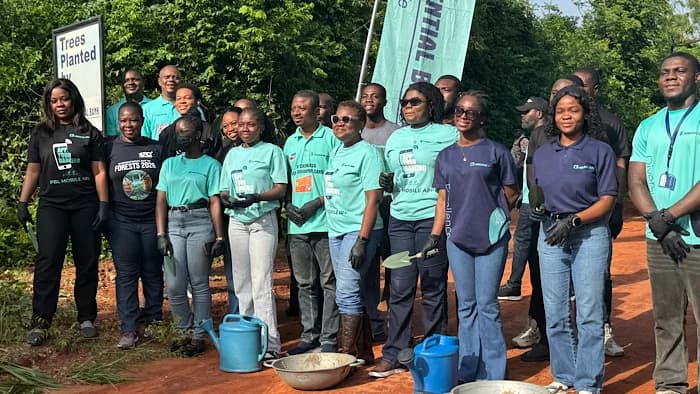
The degradation also extends to the capital’s "green lungs," the Achimota Forest Reserve. The Forestry Commission of Ghana has raised alarms over the impact of illegal dumping and encroachment on the reserve, which serves as a crucial barrier against erosion in Accra. Restoration efforts are currently underway, with private sector partners like Prudential Bank Limited joining the National Trees for Life Initiative to plant hundreds of new trees. These restoration projects aim to enhance biodiversity through enrichment planting, but officials maintain that public and corporate support must be sustained to reverse the damage caused by years of neglect.
Ultimately, addressing Ghana’s environmental decline requires a shift from reactive disaster management to proactive conservation and systemic accountability. From the coastal wetlands to the inland forests and mining districts, the moral imperative to protect the environment has never been more urgent. Whether through community-led resistance against galamsey, scientific research into pollution, or corporate-backed reforestation, the path forward depends on a unified national strategy that prioritizes ecological health over short-term gain.
This story touches markets covered on Anansi Intelligence ↗.
More from africa
Continue exploring similar stories


