••
Ghana Intensifies Multi-Pronged Crackdown on Galamsey Through Traditional Rites, Security Arrests, and Legal Sanctions
•2 min read•4 sources
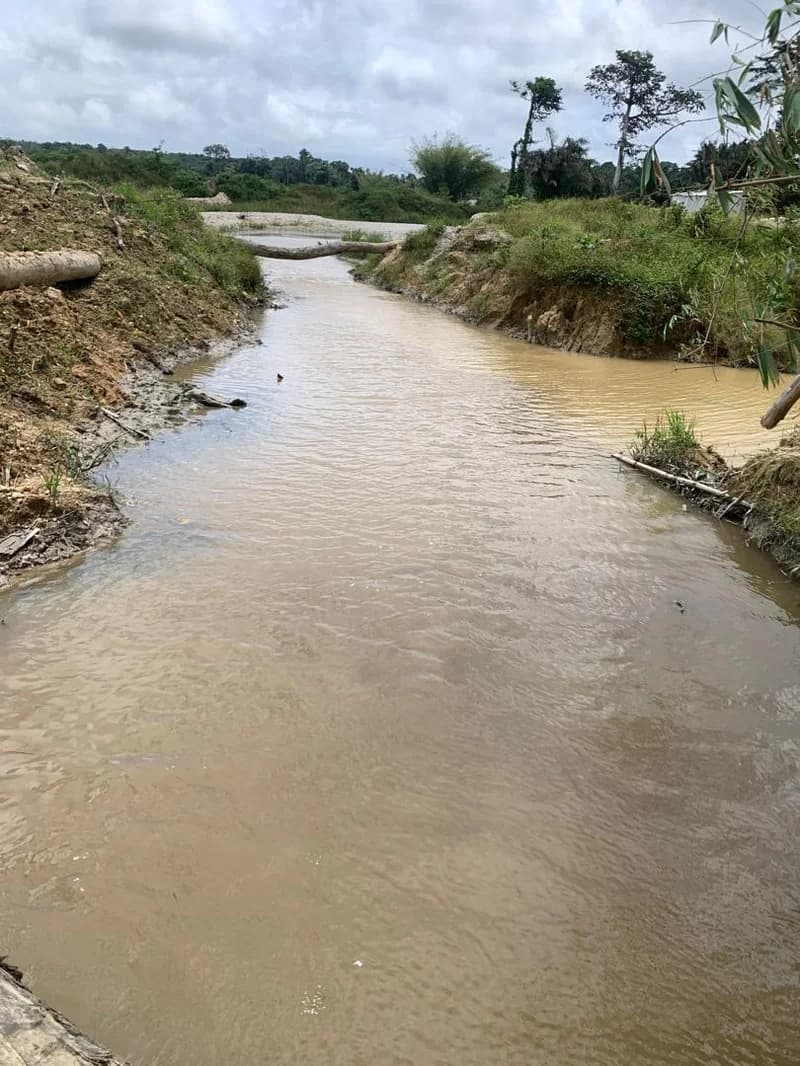
Ghana's battle against illegal mining, known locally as galamsey, has reached a critical juncture as traditional authorities, security forces, and environmentalists launch coordinated efforts to protect the nation’s natural resources. From the invocation of traditional deities to high-profile arrests and legal battles, the multi-pronged approach reflects a growing national urgency to save water bodies and forest reserves from systemic destruction. This intensified effort spans across several regions, targeting both small-scale operators and influential figures allegedly backing the illicit trade.
In the Ashanti Region, enforcement actions have led to significant developments. National Security operatives recently apprehended two suspects, including site owner Yussif Ibrahim, for operating an illegal mining site in close proximity to the Agenda 111 hospital project in Adansi Asokwa. This operation forms part of a broader reclamation initiative by the Ashanti Regional Security Council aimed at restoring degraded lands. Simultaneously, the legal system is making its weight felt in high-profile cases; media personality Afia Schwarzenegger recently sparked public debate regarding the reported 20-year sentence involving Chairman Wontumi and illegal mining activities in Samreboi, signaling a potential shift toward stricter judicial accountability for influential individuals.
Complementing state enforcement, traditional leadership is reasserting its role in environmental stewardship. The Konongo Traditional Council recently performed sacred traditional rites at illegal mining sites to invoke ancestral authority against those destroying the land. Council members emphasized that the community’s future and livelihoods are under direct threat from the pollution of water bodies. By utilizing traditional sanctions, the Council aims to create a cultural deterrent where modern security presence has previously faced challenges in maintaining a permanent foothold against persistent miners.
The environmental consequences of the galamsey crisis are now reaching beyond inland forests to the Atlantic coast. Experts have raised alarms regarding the Butre and Nyan Rivers, which are transporting heavy pollution from upstream mining activities into Ghana’s first-ever Marine Protected Area (MPA). This 700-square-kilometer conservation zone, designed to replenish fish stocks and protect marine biodiversity, is currently at risk of ecological collapse due to toxic runoff. These developments underscore the desperate need for an integrated management strategy that links freshwater health with marine conservation to ensure the long-term survival of Ghana’s ecosystems.
This story touches markets covered on Anansi Intelligence ↗.
More from africa
Continue exploring similar stories


