••
Rising Tensions in Ghana's Mining Sector: Fatal Clashes and Armed Arrests Mark Intensified Galamsey Crackdown
•3 min read•4 sources
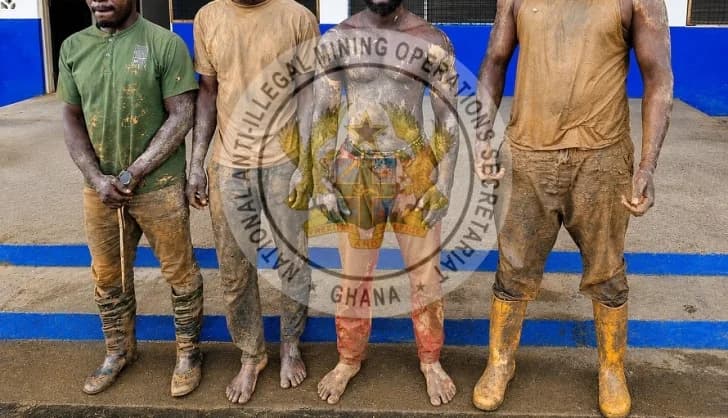
Ghana’s ongoing battle against illegal mining, popularly known as galamsey, has taken a violent and dangerous turn as recent enforcement operations and community inspections have resulted in fatalities, armed confrontations, and the seizure of hazardous chemicals. In the Western North Region, a monitoring exercise turned deadly when a local chief and his entourage were ambushed, while in the Western Region, special task forces and environmental regulators have intercepted armed groups and smuggled toxins. These incidents underscore the growing militarization of illegal mining sites and the persistent threat to both human life and the environment.
The gravity of the situation was highlighted by a tragic shooting incident at Sefwi Asawinso in the Bibiani Anhwiaso Bekwai Municipality. Kwame Ayisi, 36, was killed and six others, including the local chief Nana Kwasi Ayim III, were left in critical condition after being ambushed in the Afao Hill Forest Reserve. The group was reportedly inspecting the forest to assess the extent of illegal mining activities when they were fired upon by unidentified assailants. Following the attack, authorities arrested one suspect, but the incident has left the local community in a state of fear, with residents and traditional leaders expressing extreme reluctance to report illegal activities due to the threat of violent retaliation.
Simultaneously, the National Anti-Illegal Mining Operations Secretariat (NAIMOS) has intensified its field operations to curb environmental destruction. During a patrol along the Ankobra River in the Nzema East Municipality, the task force arrested four armed suspects: Alpha Musa, Rahaman Rojer, Laji Bengali, and Mohammed Agana. The suspects, who were found with pump-action guns and machetes, reportedly attempted to resist arrest and claimed they were working under the authority of unidentified National Security personnel. The operation not only led to the retrieval of weapons and machinery but also revealed the catastrophic level of pollution in the Ankobra River, which remains a primary concern for the secretariat.
Environmental safety has also come under scrutiny following a significant seizure by the Environmental Protection Agency (EPA) in Nkroful. Officials intercepted eight drums of sodium cyanide, a highly toxic chemical used for gold extraction, at a small-scale mining site. The EPA revealed that the chemical had been smuggled into Ghana from Togo without the necessary permits. EPA Deputy Director Harrison Afful warned that the unauthorized use of such chemicals poses a severe risk to public health and the local ecosystem. The mine owner admitted to the illegal procurement, highlighting the porous nature of regional borders and the lengths to which illegal operators go to bypass regulatory oversight.
These developments have prompted urgent calls for more robust government intervention and improved security for those on the front lines of the anti-galamsey fight. NAIMOS and the EPA have both reaffirmed their commitment to continuing their crackdowns despite the increasing presence of armed groups at mining sites. As the state moves forward with investigations into the Sefwi Asawinso shooting and the alleged National Security links in Nzema East, the focus remains on restoring law and order to Ghana’s mineral-rich regions and protecting the country's vital water bodies and forest reserves from further destruction.
This story touches markets covered on Anansi Intelligence ↗.
Live rates
Ghana gold price →More from africa
Continue exploring similar stories


