••
Fuel Prices Poised for Drop Amid Global De-escalation as Ghana's Producer Inflation Surges to 5.8%
•3 min read•9 sources
Ghana’s economic landscape is currently navigating a period of significant volatility, characterized by a sharp rise in producer inflation alongside the potential for a long-awaited reduction in domestic fuel prices. According to the Ghana Statistical Service (GSS), the Producer Price Inflation (PPI) for May 2026 surged to 5.8%, a substantial jump from the 2.7% recorded in April. This year-on-year increase of 3.1 percentage points was primarily driven by the mining and quarrying sector, which saw its inflation rate double from 5.6% to 11.0%. While the manufacturing sector also showed signs of recovery by moving into positive territory at 0.7%, the overall data signals renewed cost pressures for Ghanaian producers that could eventually impact consumer prices.
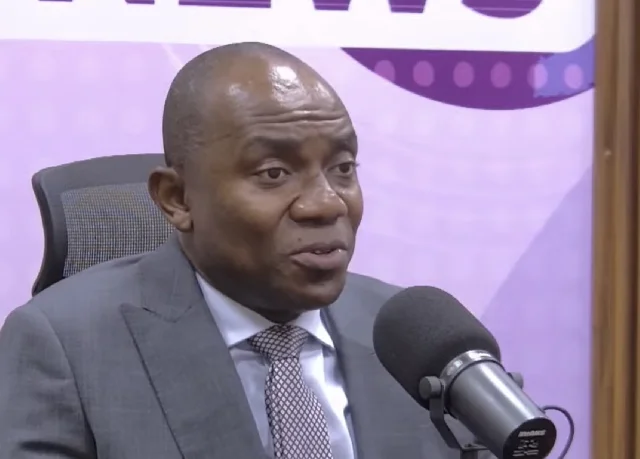
Despite the rising inflationary pressures, there is a glimmer of hope for consumers at the pumps. Dr. Patrick Ofori, Chief Executive of the Chamber of Bulk Oil Distributors (CBOD), has indicated that fuel prices in Ghana could drop to between GH¢9 and GH¢10 per litre if global supply chain disruptions continue to ease. Over the past year, international conflicts—specifically the US-Israel war—have severely strained logistics, causing petrol prices to rise by 88% and diesel by nearly 100% since January. The cost of chartering vessels surged five-fold, while insurance premiums for oil shipments skyrocketed from approximately $3 million to as high as $17 million, forcing domestic prices upward to cover these massive overheads.
This domestic optimism is supported by a recent 5% decline in global oil prices, which hit a three-month low in mid-June 2026. Brent crude settled at $78.96 and West Texas Intermediate (WTI) at $76.05 as markets reacted to emerging details of an interim peace deal that could allow Iran to resume oil sales. The potential reopening of the Strait of Hormuz is viewed as a critical factor in stabilizing global supply. However, market analysts remain cautious, noting that while the prospect of a peace agreement between the U.S. and Iran is driving prices down now, the long-term execution of such deals remains subject to significant geopolitical and economic uncertainties, including China's economic performance and global inflation trends.
In response to these shifting economic indicators, the Ghana Statistical Service has advised consumers to be more selective by comparing prices and seeking discounts, while urging businesses to adopt bulk purchasing strategies to mitigate rising input costs. Furthermore, Dr. Ofori emphasized that Ghana remains vulnerable to international market shocks due to the lack of a substantial strategic petroleum reserve. To ensure long-term energy security and price stability, stakeholders are calling for the establishment of dedicated funding mechanisms to build and maintain these reserves, coupled with enhanced government monitoring of inflation along the entire supply chain.
This story touches markets covered on Anansi Intelligence ↗.
More from business
Continue exploring similar stories


