••
Ghana Pivots to Preventive Healthcare with GH¢1.2 Billion Free Primary Health Initiative and Workforce Expansion
•3 min read•23 sources
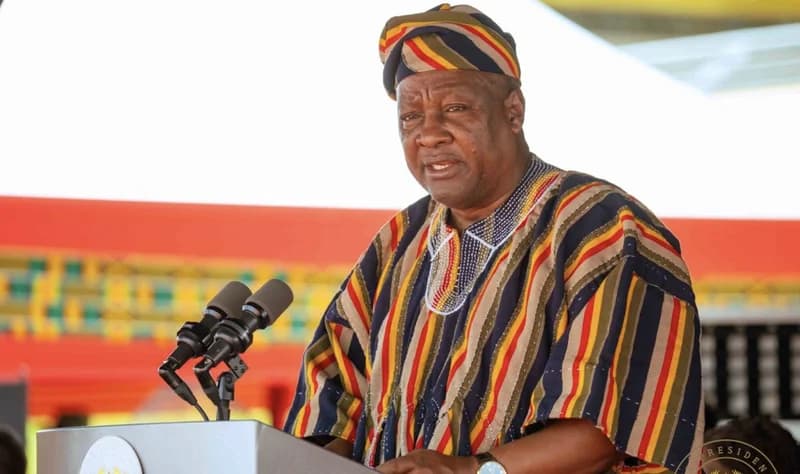
The Government of Ghana is shifting its healthcare strategy toward a preventive model, headlined by the upcoming launch of the Free Primary Health Care (FPHC) Programme. Announced by Health Minister Kwabena Mintah Akandoh, the initiative is set to be officially launched by President John Dramani Mahama on April 15 in Dodowa. Budgeted at GH¢1.2 billion annually, the programme will initially target 150 underserved districts, providing essential health services at no cost to citizens who present a National Identification Card. The primary goal is to alleviate financial barriers that currently prevent one-third of the population from accessing the National Health Insurance Scheme (NHIS), thereby reducing out-of-pocket expenses and ensuring early detection of both infectious and non-communicable diseases (NCDs).
Central to this healthcare transformation is a focus on the rising mortality rates associated with NCDs such as hypertension, diabetes, and stroke, which account for nearly 45% of deaths in Ghana. To combat this, the Ministry of Health is rolling out a nationwide home-based screening drive to identify conditions before they reach critical stages. This strategy is supported by the induction of 315 newly trained Physician Assistants (PAs), who join a workforce of over 7,000 practitioners. Minister Akandoh has emphasized that these professionals will be instrumental in frontline service delivery and maternal care. Furthermore, the Minister has introduced a strict 'no financial clearance, no posting' policy to ensure transparency in recruitment and guarantee that all newly deployed health workers receive their salaries and allowances promptly without the risk of corruption or lobbying.
While the government moves forward with new initiatives, the discourse surrounding healthcare infrastructure remains contentious. Minister Akandoh recently criticized the previous administration's 'Agenda 111' project, claiming that despite an expenditure of GH₵4.8 billion, none of the hospitals are currently operational. In response, former Deputy Health Minister Alexander Kodwo Kom Abban has called for continuity in governance, arguing that national projects should be completed regardless of political transitions. Abban has advocated for Public-Private Partnership (PPP) models to manage and complete these facilities, stressing the need for financial scrutiny to protect public funds. Additionally, legislative appeals have emerged, such as Minority Leader Alexander Afenyo-Markin’s call to include hernia treatments under the 'MahamaCares' trust fund to better support rural populations.
These systemic reforms are being complemented by local-level interventions, such as the recent GH¢90,000 donation of specialized medical equipment to the Akwadum Health Centre by New Juaben North MP Nana Osei-Adjei. As the nation prepares for the rollout of the Free Primary Health Care Programme, the government maintains that a shift in public attitude toward personal health is essential. By combining community outreach, workforce discipline, and strategic partnerships, the Ministry aims to build a more equitable and efficient health system that prioritizes prevention over reactive treatment, ensuring that no Ghanaian is left behind due to financial or geographical constraints.
This story touches markets covered on Anansi Intelligence ↗.
More from politics
Continue exploring similar stories


