••
Ghana Bolsters National Health Services with New Initiatives and Rigorous Public Safety Enforcement
•3 min read•8 sources
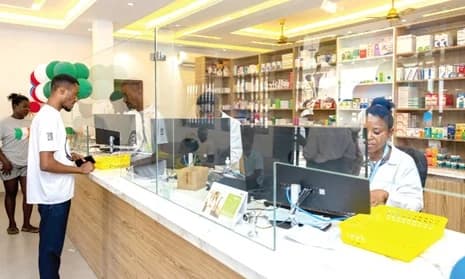
Ghana is taking significant strides in public health with the launch of the Free Primary Health Care Programme, specifically targeting "silent killers" such as hypertension and diabetes. Supported by John Dramani Mahama and the government, this initiative addresses alarming statistics where nearly one in three Ghanaian adults lives with hypertension and over 6% suffer from diabetes. The program offers free screenings and ongoing management at community clinics, with health officials projecting a 40% rise in early detection. Complementing this expansion of primary care, Korle Bu Teaching Hospital has commissioned a modern 24-hour Pharmacy Annex. This renovated facility introduces innovative services such as bedside medicine delivery and digital client interaction, marking a major milestone in hospital efficiency and patient care since the pharmacy's last major renovation in 1996.
Beyond clinical care, the Food and Drugs Authority (FDA) has intensified its market surveillance to protect vulnerable populations. In a recent operation in the Tamale Metropolis, the FDA confiscated over 5,000 packs of unapproved baby diapers that were either unregistered, inaccurately labeled, or lacked official approval. This local vigilance aligns with broader international safety concerns; for instance, authorities in Austria recently issued a life-threatening risk warning and recall for HiPP baby food jars found to be contaminated with rat poison. These instances highlight the critical importance of rigorous product monitoring and the FDA's commitment to ensuring that only safe, approved products reach the Ghanaian market.
In the realm of proactive disease management, global experts at the Wastewater and Environmental Surveillance (WES) Conference in Accra have urged Ghana to scale up its monitoring systems. Representatives from 31 countries highlighted WES as a cost-effective, non-invasive early warning tool for infectious diseases, generating data independent of clinical reports. Ghana’s Health Director reaffirmed the nation's commitment to this "One Health" approach, noting its past success in polio eradication strategies. Meanwhile, infrastructure resilience was tested at Effia Nkwanta Regional Hospital in the Western Region, where power was fully restored following a standby generator failure. Regional Director Marion Okoh-Owusu confirmed that all services are operational and emphasized that no fatalities occurred during the brief disruption.
Finally, the importance of personal health vigilance was underscored by spiritual leader Sarah Jakes Roberts, who shared details of a harrowing injury that nearly left her paralyzed. After fracturing her neck and sustaining spinal trauma during a trampoline accident, Roberts is currently recovering in a neck brace, avoiding surgery through what she describes as divine protection. Collectively, these developments—ranging from national policy shifts and infrastructure upgrades to rigorous FDA enforcement and environmental monitoring—highlight a multifaceted effort to strengthen Ghana’s health security and improve the well-being of its citizens.

