••
Ghana’s Forestry Sector Faces Violent Backlash Amid New Community Initiatives to Curb Illegal Logging
•2 min read•3 sources
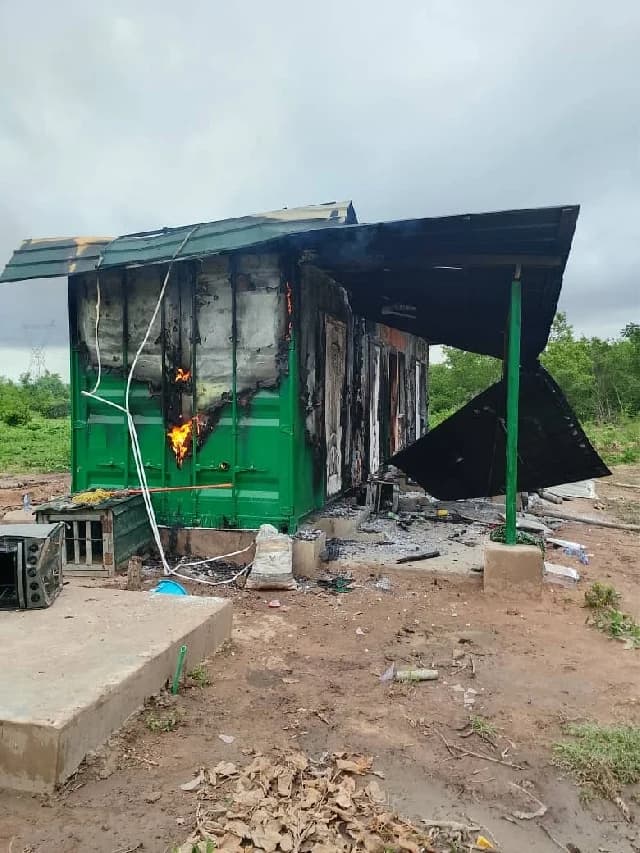
Ghana's forestry sector is currently at a critical crossroads, marked by a surge in violent resistance from illegal operators against state authorities even as civil society groups launch ambitious projects to empower local communities. On June 9, 2023, the Forestry Commission suffered a brutal attack in the Bono East Region, where a mob burned down a timber checkpoint and injured personnel. This incident highlights the volatile tensions between law enforcement and those profiting from unregulated timber extraction, while simultaneously, new initiatives are being deployed to foster citizen-led transparency in forest management.
The violence at Babatokuma, Kintampo, underscores the dangerous environment facing state officials. An irate mob, claiming the state’s monitoring activities threatened their timber-related livelihoods, assaulted Forestry Commission officers and set their accommodation facility ablaze. While the injured officers have since received medical treatment, the Commission has condemned the act as a direct challenge to state authority and an attempt to undermine forest protection efforts. Authorities are currently collaborating with the police and utilizing video evidence to identify and apprehend the perpetrators, emphasizing that such lawlessness will not be tolerated.
In a proactive response to these challenges, EcoCare Ghana and Civic Response have launched a significant program to train 500 Community Forest Monitors under the 'Akofena Project.' Funded by the UK Foreign, Commonwealth and Development Office, this initiative aims to address weak enforcement by involving local citizens directly in the governance process. These monitors are being educated on forest laws and Social Responsibility Agreements while being equipped with digital tools to track and report illegal activities. This decentralized approach is designed to enhance accountability and ensure that reports are verified before being submitted to the Forestry Commission for action.
These developments highlight the complex struggle for control over Ghana's natural resources. The Forestry Commission continues to call for public cooperation, warning that the disregard for forest laws carries severe national consequences. By combining rigorous state enforcement with community-led transparency projects like Akofena, stakeholders hope to create a more resilient framework that protects Ghana's dwindling forest cover. The success of these efforts will ultimately depend on the ability of the state and local communities to work in tandem against the illicit networks that threaten the country's environmental future.
This story touches markets covered on Anansi Intelligence ↗.
More from africa
Continue exploring similar stories


