••
Ghana Bolsters Food Security with Major Poultry and Irrigation Initiatives in Bosome Freho and Wa West
•2 min read•5 sources
Ghana is witnessing a significant push toward agricultural self-sufficiency as two major localized initiatives are rolled out in the Bosome Freho and Wa West districts. These projects—'Nkoko Nketenkete' and 'Water is Wealth'—aim to revolutionize local farming practices, reduce dependence on food imports, and provide sustainable livelihoods for thousands of households. By targeting specific needs such as poultry production and dry-season irrigation, the government and local representatives are addressing the core challenges of food affordability and rural poverty through grassroots intervention.
In the Bosome Freho District, the 'Nkoko Nketenkete' initiative has been met with enthusiasm by residents and traditional leaders. Launched by District Chief Executive Charles Appiah-Kubi, the program is a massive undertaking that seeks to distribute approximately three million birds across 276 constituencies, eventually benefiting about 60,000 households. This initiative is designed to revitalize backyard farming, a strategy focused on improving protein intake for citizens and creating jobs for the youth. Traditional leaders have praised the effort for reviving poultry farming, noting its historical importance to the local economy and its potential to alleviate poverty among smallholders.
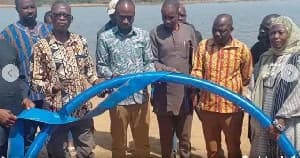
Simultaneously, in the Upper West Region, the Member of Parliament for Wa West, Peter Laanchen Toobu, has commissioned the 'Water is Wealth' project at the Siiru Dam Site. Recognizing that seasonal weather patterns often limit agricultural output, this initiative focuses on enhancing dry-season farming through improved irrigation access. The project involved the distribution of 35 pumping machines to six organized groups, including three women’s cooperatives and 29 individual farmers. By providing the mechanical means to draw water during the dry months, the initiative expects to significantly increase crop yields and ensure year-round productivity for the constituency's farmers.
The broader implications of these interventions extend beyond simple food production. In Wa West, the specific focus on women's cooperatives highlights a commitment to gender-inclusive economic empowerment, ensuring that female farmers have the tools necessary to thrive in the agricultural sector. Meanwhile, the Bosome Freho poultry project aims to reduce the national burden of imported poultry, fostering a more resilient local market. Together, these initiatives signal a robust approach to grassroots development, where tailored solutions for specific regional challenges are utilized to build a more food-secure and economically stable Ghana.
This story touches markets covered on Anansi Intelligence ↗.
More from africa
Continue exploring similar stories


