••
National Stability and Economic Equity: Ghana Grapples with Food Security, Cocoa Pricing, and Resource Allocation
•3 min read•8 sources
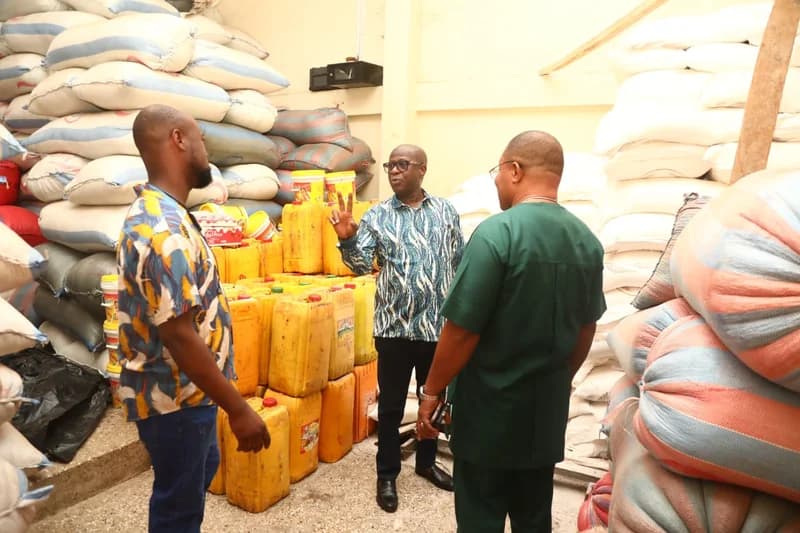
Ghana’s national stability is increasingly being linked to the government’s ability to manage its agricultural resources and economic priorities effectively. Ashanti Regional Minister, Dr. Frank Amoakohene, recently underscored this connection, warning that any failure to maintain a policy-driven approach to food security could directly threaten the country’s peace. Speaking during a consultative visit from George Abradu-Otoo, CEO of the National Food Buffer Stock Company (NAFCO), the Minister emphasized that food security is not merely an agricultural concern but a fundamental pillar of national safety. This sentiment sets the stage for a broader political discourse on how the state balances its strategic reserves with the immediate welfare of its primary producers.
In response to these concerns, NAFCO is currently intensifying its regional operations to enhance the efficiency of the National Food Reserve program. Mr. Abradu-Otoo has been touring agricultural facilities, schools, and warehouses to assess stock levels and engage with local communities. During a visit to Prempeh College, the CEO noted adequate food stocks but acknowledged the need for systemic improvements. To this end, NAFCO is seeking both government and donor funding to upgrade storage facilities and increase grain purchases. Dr. Amoakohene particularly highlighted the plight of local rice farmers, urging the government to provide more robust support to ensure that local production can meet national demand and contribute to economic resilience.
Parallel to the discussions on food security, the political landscape is heating up over the treatment of cocoa farmers. Kojo Oppong Nkrumah, the Member of Parliament for Ofoase-Ayirebi, has pledged a sustained parliamentary struggle to secure fair earnings for cocoa producers. Addressing a gathering in Akyekrom, Nkrumah voiced the frustrations of farmers who are currently facing reduced producer prices, delayed payments, and rising operational costs. He asserted that the Minority Caucus would hold the government accountable for transparency in the cocoa value chain, promising that the fight for farmers' rights would be a long-term commitment. This advocacy highlights a growing tension between global market shifts and the domestic need to protect the livelihoods of those central to Ghana’s economic stability.
Adding another layer to the national economic debate, Professor William Kwasi Peprah of Andrews University has raised critical questions regarding the government's focus on building gold reserves. While the appreciation of gold is a strategic asset, Prof. Peprah cautioned that the current target of 15 months of reserves could incur significant social costs. He estimated that the opportunity cost could reach 1% of the national GDP—a figure he considers substantial when compared to the country’s pressing needs for infrastructure like hospitals and schools. This critique suggests that the political choice between long-term financial buffering and immediate developmental investment remains a contentious point of national policy.
Ultimately, these developments illustrate a complex intersection of policy and practice in Ghana’s political economy. Whether through the lens of food security in the Ashanti Region, the advocacy for cocoa farmers’ rights in Ofoase-Ayirebi, or the academic scrutiny of gold reserve targets, the underlying theme is the same: the need for balanced, transparent, and people-centered governance. As NAFCO works to stabilize food supplies and MPs push for agricultural equity, the government faces the ongoing challenge of aligning its strategic economic goals with the daily realities and stability of its citizens.
This story touches markets covered on Anansi Intelligence ↗.
Live rates
Ghana gold price →More from politics
Continue exploring similar stories


