••
Ghana Advances Food Security and Cultural Heritage Through Strategic Agricultural and Institutional Support
•3 min read•4 sources
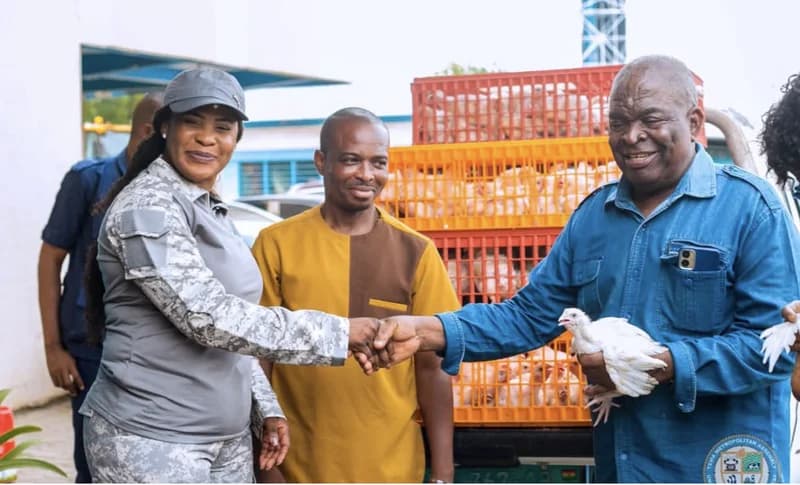
Ghana is witnessing a multifaceted approach to national development, ranging from grassroots agricultural interventions to the preservation of its rich cultural history. In the Ashanti Region, the Ministry of Food and Agriculture (MoFA), in collaboration with AGRA Ghana, has introduced significant mechanization efforts aimed at modernizing farming and attracting the younger generation to the sector. Simultaneously, the Tema Metropolitan Assembly (TMA) has launched a poultry distribution program to enhance local food production. Beyond agriculture, the Pan African Heritage World Museum (PAHWM) has received a vital logistics boost, underscoring a period of growth across Ghana's economic and cultural landscapes.
The mechanization drive, part of the Youth Entrepreneurship for the Future of Food and Agriculture (YEFFA) program, specifically targets the Sekyere Central District. Dr. David Anambam, the Ashanti Regional Director of Agriculture, emphasized that introducing technology like push planters and maize shellers is crucial for reducing the physical drudgery of farming, thereby making it more appealing to youth. The project has already benefited 510 individuals in Jeduako, with a significant emphasis on empowering young women. By improving efficiency and productivity, the initiative supports the national Feed Ghana Programme, which seeks to stabilize the economy through increased domestic food production.
In a complementary effort to secure the nation's food supply, the Tema Metropolitan Assembly has begun distributing poultry birds to local farmers and households within the Tema Central Constituency. This initiative, led by Metropolitan Chief Executive Ebi Bright and supported by the Agricultural Department, aims to empower residents to raise livestock locally, thereby reducing dependence on imports and lowering the cost of protein. In the first phase of the program, 29 beneficiaries received birds, with plans for daily distributions to continue. According to George Batse of the Agricultural Department, the move is designed to improve nutritional intake while fostering a proactive culture of urban farming among residents.
While agricultural sectors modernize, Ghana’s cultural infrastructure is also receiving critical support. The Svani Group recently donated a Suzuki S-Presso vehicle to the Pan African Heritage World Museum (PAHWM) to assist with administrative and operational tasks. Mr. Thomas Svanikier, founder of the Svani Group, lauded the museum’s founder, Prof. Kojo Yankah, for his dedication to preserving African civilizations. The museum, located near Winneba, is envisioned as a global hub for cultural and economic development. Prof. Yankah expressed gratitude for the donation, noting that such corporate support is vital for honoring Ghana’s history and ensuring the long-term sustainability of the museum’s mission.
Together, these developments reflect a comprehensive strategy to strengthen Ghana’s internal resilience. By equipping the youth with modern agricultural tools and providing households with the means to produce their own food, the government and its partners are addressing immediate economic challenges. Meanwhile, investments in cultural institutions like PAHWM ensure that as the nation progresses economically, its heritage remains a central pillar of its identity. These initiatives provide a roadmap for sustainable development that balances the practical needs of food security with the long-term importance of cultural preservation.
This story touches markets covered on Anansi Intelligence ↗.
More from africa
Continue exploring similar stories


