••
Ghana Flooding Crisis Triggers GHC1.45m Relief Effort as Experts Demand Sustainable Urban Planning Across Africa
•2 min read•5 sources
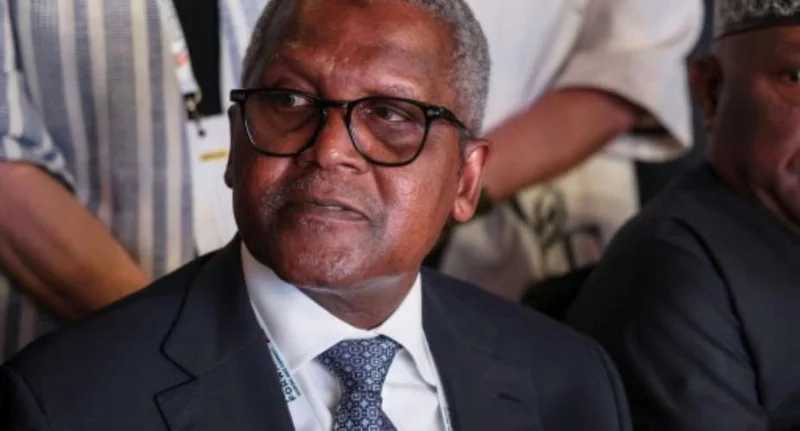
Ghana is facing a severe environmental and humanitarian crisis following devastating floods that have claimed at least 34 lives and displaced thousands across the Greater Accra, Central, and Volta regions. The disaster, which has disproportionately affected women and children, has highlighted the country's vulnerability to recurring seasonal rains and the resulting exploitation of vulnerable populations in overcrowded shelters. In response to the immediate suffering, prominent businessman and philanthropist Alhaji Seidu Agongo has delivered GHC1.45 million worth of relief items, including rice, tomatoes, and milk, to hard-hit residents in areas such as Mamobi and Nima. Agongo has emphasized that 'service to mankind is service to Allah,' urging fellow business leaders to prioritize compassion and support for the underprivileged during national crises.
Beyond immediate relief, the recurring nature of these floods has sparked a national debate on urban planning and civic responsibility. Alhaji Agongo criticized the over-reliance on government intervention alone, calling for a united, nonpartisan approach to flood management. He specifically urged government agencies to enforce waste disposal laws more strictly, noting that indiscriminate waste disposal and poor drainage infrastructure are primary drivers of the recurring disasters. This sentiment is echoed by Koans Estate CEO, Mr. Kofi Anokye, who argues that the root causes of the flooding lie in weak regulatory enforcement and unsustainable land use. Anokye has called for a complete rethink of urban planning, advising potential homeowners to conduct thorough flood-risk assessments and urging the state to prioritize environmental resilience to safeguard Ghana’s economic stability.
The environmental challenges currently facing Ghana are reflective of a broader continental tension between industrial development and ecological preservation. In Kenya, Greenpeace Africa is currently opposing a $17-billion oil refinery project led by Aliko Dangote in the Lamu region, citing significant threats to fragile coastal ecosystems, fishing, and tourism. While Kenyan President William Ruto has supported the project for its job-creation potential, environmentalists argue that the long-term ecological damage could outweigh temporary economic gains. Whether addressing urban floods in Accra or industrial expansion in Kenya, the common thread across the continent remains the urgent need for infrastructure and development policies that prioritize sustainability and the protection of vulnerable communities.
This story touches markets covered on Anansi Intelligence ↗.
More from africa
Continue exploring similar stories


