••
Government Intensifies Relief and Recovery Efforts Following Deadly June 29 Flood Disaster Across Seven Regions
•2 min read•13 sources
The Ghanaian government has launched a multi-agency response to support victims of the devastating floods that struck on June 29, affecting seven regions across the country. Tragedy was confirmed in the Greater Accra Region as the bodies of two individuals, believed to have been swept away by floodwaters, were recovered at Adakope near Weija on July 2. Minister of State Felix Kwakye Ofosu announced that emergency relief distribution began on July 1, targeting hard-hit municipalities including La Dade Kotopon, Ayawaso Central, and Korley Klottey. With the Greater Accra, Volta, and Central regions bearing the brunt of the disaster, the National Disaster Management Organisation (NADMO) is spearheading the delivery of essential supplies such as food, clean water, and medical aid to displaced families.
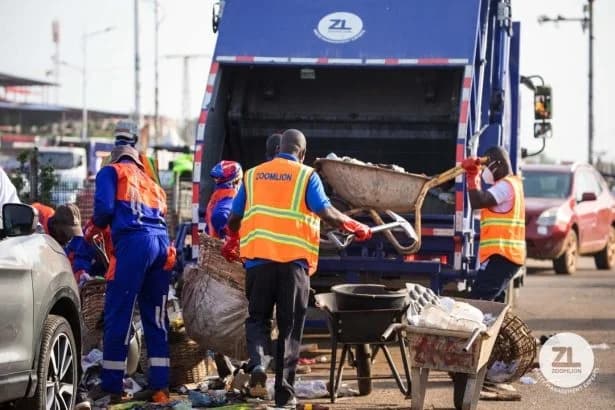
Complementing the immediate humanitarian aid, various government ministries and local authorities have introduced specialized measures to assist recovery. The Ministry of Foreign Affairs is offering an expedited one-week replacement service for passports lost or damaged in the floods, valid for applicants between July 3 and July 17. In the capital, the Accra Metropolitan Assembly (AMA) has initiated a month-long free refuse collection program. Mayor Michael Kpakpo Allotey explained that this effort aims to clear the massive waste accumulation that often exacerbates drainage blockages. To enhance efficiency, a dedicated WhatsApp reporting line has been established for residents to alert sanitation officers to problematic areas across the metropolis.
Looking beyond immediate relief, the Ghana Armed Forces (GAF) and civil society groups are emphasizing the need for structural changes to prevent future occurrences. Brigadier General Forster Okae-Yeboah of the GAF stated that recovery will be a long-term process involving the systematic removal of structures obstructing waterways and the restoration of drainage systems. This sentiment was echoed by the Centre for Policy Scrutiny (CPS), which called for a comprehensive national strategy focused on urban planning and infrastructure resilience. High-profile figures including the musician Stonebwoy and organizations like the Musicians Union of Ghana (MUSIGA) have also added their voices, urging citizens to stop dumping refuse in drains and calling for collective responsibility to maintain environmental hygiene as the nation begins the arduous task of rebuilding.


