••
AMA Demolishes Kofikrom Structures Following Massive Fire in Accra's North Industrial Area
•2 min read•4 sources
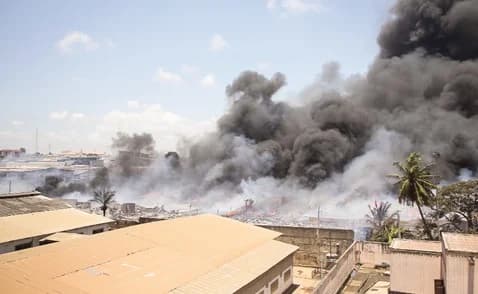
A massive fire outbreak ravaged warehouses and makeshift structures in the North Industrial Area of Avenor, Accra, prompting a large-scale emergency response and subsequent demolition of unauthorized buildings. The blaze, which reportedly began around 7:00 a.m. following a suspected gas cylinder explosion in a squatter settlement, burned for over eight hours before being brought under control by the Ghana National Fire Service (GNFS). The fire caused extensive damage to several businesses, most notably Duraplast Limited, where significant quantities of plastic materials and water tanks were destroyed. While early reports suggested that two individuals were feared dead, the GNFS has maintained that they are yet to officially confirm any fatalities as firefighting and salvage operations continue.
The emergency response involved a coordinated effort between the GNFS, the Ghana Police Service, and the 48 Engineer Regiment of the Ghana Armed Forces. Firefighters faced significant obstacles in reaching the heart of the inferno due to the high density of wooden kiosks and unauthorized structures that blocked essential access routes. Although the fire was partially confined by late morning, the intense heat and the flammable nature of the materials involved required the deployment of heavy military and police support to manage the perimeter and evacuate residents from the high-risk zone.
In the immediate aftermath of the disaster, the Accra Metropolitan Assembly (AMA), led by Mayor Michael Kpakpo Allotey, launched a demolition exercise in the area known as Kofikrom to remove the structures that hindered emergency services. Backed by the military, the AMA cleared unauthorized buildings whose occupants had reportedly ignored a May 29 deadline to vacate the premises. Mayor Allotey emphasized that the demolition was a necessary measure to safeguard lives and property, ensuring that emergency responders have clear access to the industrial hub in the event of future incidents. The assembly has committed to maintaining a presence in the area to prevent the reoccupation of the cleared access routes.


