••
Ghana Intensifies Resource Protection Efforts through Community Fisheries, Dam Redevelopment, and Circular Economy Initiatives
•2 min read•3 sources
Ghana is intensifying its commitment to environmental sustainability and resource management through a series of strategic initiatives targeting marine life, water infrastructure, and waste management. Central to this effort is the recognition that community involvement and legislative reform are essential to preserving the nation’s natural assets. From the introduction of a new Fisheries and Aquaculture Act to the transformation of vital water bodies into multi-purpose hubs, these developments reflect a growing national priority to balance economic growth with ecological preservation.
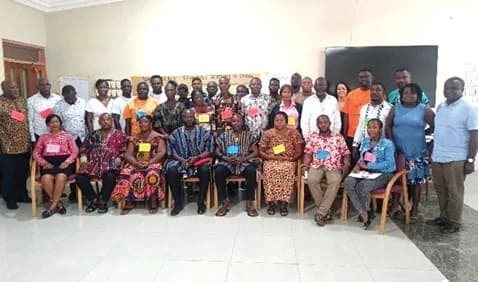
In the maritime sector, the Fisheries Commission has launched a community-led approach aimed at reversing the decline of Ghana's fish stocks. During the inauguration of the Small-Scale Fisheries Academy, Prof. Benjamin Betey Campion, Executive Director of the Fisheries Commission, emphasized that artisanal fishers contribute approximately 70% of the country’s fish landings. The new Academy, supported by Mundus Maris and the Canoe and Fishing Gear Owners Association of Ghana (CaFGOAG), focuses on empowering local fishers through training in facilitation and co-management. This initiative aligns with the upcoming Fisheries and Aquaculture Act, 2025, which introduces measures against Illegal, Unreported, and Unregulated (IUU) fishing and establishes marine protected areas to safeguard the livelihoods of small-scale fishing communities.
Simultaneously, the Ghana Irrigation Development Authority (GIDA) is moving to protect and optimize inland water resources. GIDA recently announced a partnership with private developers to redevelop the Amrahia Dam into a multi-purpose agricultural and recreational hub. Joseph Nartey, Deputy Director of GIDA, noted that the project is designed to enhance irrigation and aquaculture while combating illegal encroachment in the dam’s buffer zones. This collaborative effort, supported by stakeholders like Jolly Homes Estate, aims to preserve critical water sources while expanding their utility for both food production and public leisure, ensuring that infrastructure remains resilient against unauthorized development.
However, these advancements in resource management face significant challenges from the country’s growing waste crisis. At the Climate Forward Summit, Kafui Prebbie, CEO of Implementers, revealed that Ghana currently recycles only 9.5% of the plastic waste it collects. Prebbie urged for a swift transition toward a circular economy and integrated waste management systems to address the rising tide of plastic, textile, and electronic waste. As Ghana moves forward, the success of its sustainability agenda will likely depend on the effective integration of these community-based resource protections with modernized waste infrastructure to create a cleaner, more sustainable environment.
This story touches markets covered on Anansi Intelligence ↗.
More from africa
Continue exploring similar stories


