••
Africa’s Sustainability Push: Ghana Designates First Marine Protected Area and Strengthens Regional Partnerships
•3 min read•11 sources
Ghana and its regional partners are marking significant milestones in environmental conservation and infrastructure development, led by the designation of the nation’s first Marine Protected Area (MPA) at Greater Cape Three Points. Announced by Vice President Naana Jane Opoku-Agyemang, the 700-square-kilometer zone aims to restore declining fish stocks and safeguard marine biodiversity while supporting the local fishing industry. This landmark achievement aligns with a growing continental movement for ecological preservation, further highlighted by the upcoming African Women’s Climate Justice Day in April 2026. This historic 'Day of Action' will see environmental defenders from across Africa demand climate reparations from the Global North, transitioning from victims of climate change to leaders in the fight for economic and environmental justice.
Technological and regulatory cooperation is also reaching new heights through a Memorandum of Understanding (MoU) signed between the Nuclear Regulatory Authority of Ghana and the Rwanda Utilities Regulatory Authority. The agreement, finalized by Professor Francis Otoo and Ambassador Rosemary Mbabazi, establishes a framework for sharing expertise in nuclear safety, radioactive waste management, and the peaceful application of nuclear science in health and agriculture. This regional collaboration is mirrored by domestic infrastructure gains, such as the •31 million Wenchi Water Supply Project, which is now 97% complete. Once operational, the project will provide 10,700 cubic meters of potable water daily to ten communities, addressing a long-standing water crisis and securing supply for the next 15 years.
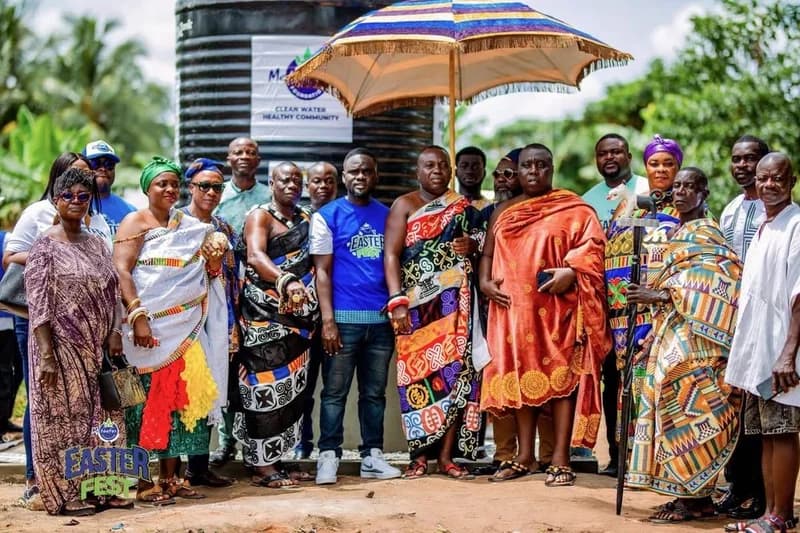
Despite these advancements, significant challenges remain as environmental advocates and local communities call for urgent government intervention in several critical zones. A Rocha Ghana has raised alarms over the degradation of the Lake Bosomtwe core zone, a UNESCO Man and Biosphere Reserve, where land clearance threatens both ecological stability and cultural heritage sites like the Abrodwum Stone. Similarly, residents in coastal communities are urging for the resumption of the stalled West Africa Coastal Area Resilience Investment Project (WACA ResIP 2), warning that delays since 2025 have left them vulnerable to worsening erosion and flooding. These concerns are echoed by the Me Boafo Foundation, which recently commissioned a borehole in Adiembra to provide clean water to 500 residents, underscoring the ongoing need for grassroots social interventions.
Looking forward, leaders are emphasizing a fundamental shift in how wealth and development are defined. Douglas Boateng, Chairman of Green Communities International, has urged a transition from material accumulation to environmental responsibility, defining true wealth as the natural legacy left for future generations. This philosophy is being tested globally, as seen in Colombia’s recent decision to implement a culling protocol for its invasive hippo population to protect local ecosystems—a reminder of the complex management required to maintain ecological balance. As Ghana and Rwanda deepen their regulatory ties and local water projects near completion, the focus remains on sustainable governance and the protection of natural resources as the primary drivers of long-term national prosperity.
This story touches markets covered on Anansi Intelligence ↗.
More from africa
Continue exploring similar stories


