••
Ghanaian Creative Arts Soar: Global Film Success, Urban Art Transformations, and Cultural Heritage Revivals
•3 min read•5 sources
The Ghanaian creative landscape is experiencing a significant surge in international recognition and local engagement, highlighted by the recent success of ‘Vibes The Movie.’ In February 2026, the film received an Outstanding Achievement Award at the American Motion Pictures Festival, celebrated for its poignant storytelling of youth ambition and economic struggles in Accra. Featuring Big Ghun and Jeffrey Nortey, the production has already garnered over 10 million views and high-profile collaborations. This international acclaim aligns with long-standing calls from industry experts like casting director Mawuko Kuadzi, who has advocated for a dedicated creative sector fundraiser. Kuadzi emphasizes the need for a focused investment strategy to produce world-class Ghanaian films that can compete on the global stage, similar to the support given to national sports teams.
On the domestic front, visual arts are transforming public spaces and fostering community pride. In Kumasi, the Asokwa Interchange has been reimagined as an open-air gallery for the Ashantifest 2026 celebrations. Under the leadership of Ashanti Regional Minister Dr. Frank Amoakohene, Senior High School visual arts students have created vibrant murals featuring prominent figures such as Otumfuo Osei Tutu II and former President John Dramani Mahama. This initiative not only beautifies the urban landscape but also serves as a platform for youth creativity and cultural storytelling, drawing widespread admiration from commuters and calls for similar projects across the country.
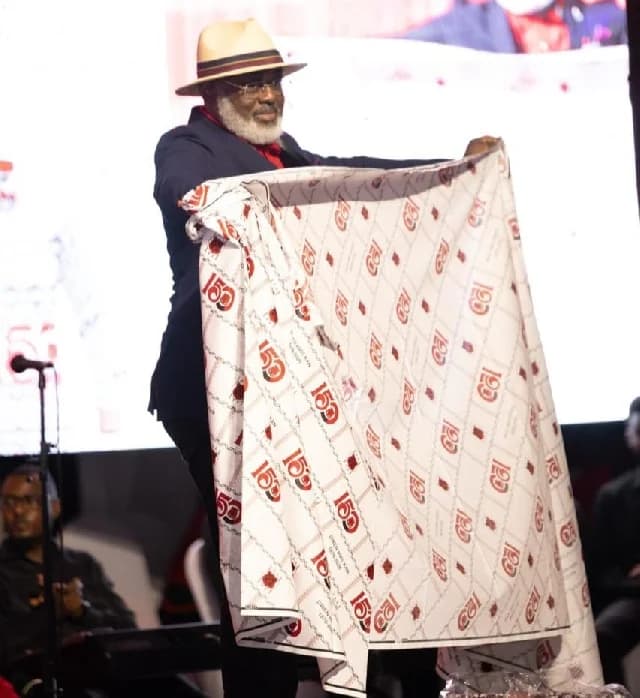
Beyond modern cinema and urban art, traditional Ghanaian heritage is finding new life through digital platforms and historic celebrations. The Dagomba traditional stone-passing game, "Kura Ya Kura Ya," has seen a resurgence in popularity following a visit from an international streamer, highlighting the enduring appeal of Northern Region cultural practices. Simultaneously, Mfantsipim School recently marked its 150th anniversary at the World Trade Centre in Accra. The historic event featured the launch of commemorative songs and cloth, while a fundraising drive successfully raised over one million Ghanaian Cedis to support the school’s future development, demonstrating the powerful intersection of education, alumni networking, and cultural legacy.
These diverse developments reflect a nation effectively bridging its rich traditions with contemporary artistic expression. From the success of independent filmmakers in American festivals to the grassroots efforts of students in Kumasi, the Ghanaian creative economy is proving to be a vital pillar of national identity and economic potential. As stakeholders continue to call for more structured funding and support, the current momentum suggests a bright future for Ghana’s cultural exports and internal community engagement through the arts.
This story touches markets covered on Anansi Intelligence ↗.
More from entertainment
Continue exploring similar stories


