••
Ghana High Commission to Begin Final Evacuation of 900 Nationals from South Africa Following Xenophobic Unrest
•2 min read•13 sources
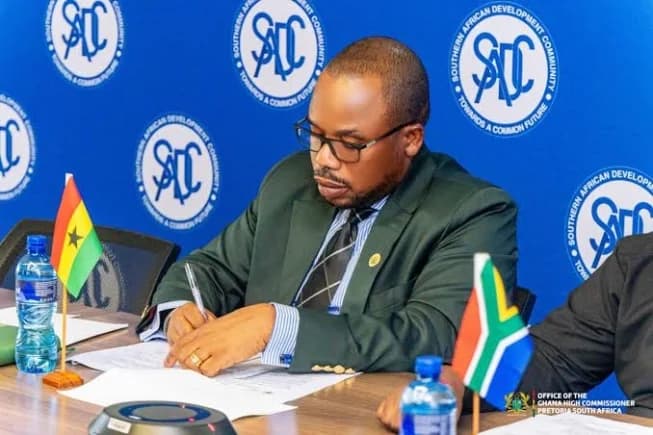
The Government of Ghana is set to commence the final phase of its voluntary evacuation program for approximately 900 nationals currently in South Africa on July 25. This operation follows a period of heightened insecurity and xenophobic attacks that have prompted many Ghanaians to seek a safe return home. Ghana’s High Commissioner to South Africa, Benjamin Quashie, confirmed that the initiative received direct approval from President John Dramani Mahama and the Ministry of Foreign Affairs, marking the conclusion of the government’s mass repatriation efforts in response to the recent regional instability.
The upcoming evacuation flights are scheduled to operate daily until all registered and screened individuals are successfully repatriated. High Commissioner Quashie emphasized that this final phase would adhere strictly to established protocols, noting that no new registrations will be accepted at this stage. Only those who have already completed the mandatory screening process are eligible for the flights. This concluding effort follows earlier successful phases that saw nearly 926 Ghanaians return home. The High Commission has urged citizens to cooperate fully with authorities and cautioned against arriving at the diplomatic mission without prior registration, as temporary accommodation will not be provided after this window closes.
The situation in South Africa has sparked broader regional diplomatic tensions, with Nigeria also expressing significant outrage over recent anti-immigrant protests and demonstrations. Nigerian authorities have indicated plans to seek formal compensation for their citizens who were expelled or suffered losses during the unrest. This friction highlights a growing concern across the continent regarding the safety of migrant populations and the responsibilities of host nations. While West African governments work to secure their citizens, voices from the diaspora, such as US-based Ghanaian military officer Twumasi, have concurrently warned against the risks of illegal migration, noting that many foreigners endure severe hardships abroad due to precarious immigration statuses.
As the mass evacuation program concludes, future assistance for Ghanaians in South Africa will transition to a case-by-case basis managed through the High Commission’s standard consular services. This shift signals a return to regular diplomatic procedures while acknowledging the scale of the emergency that necessitated state-sponsored intervention. The Ghanaian government has expressed gratitude to South African authorities for their cooperation in facilitating the daily flight schedules, aiming for a smooth reintegration process for the returning citizens as they arrive back in Ghana.
This story touches markets covered on Anansi Intelligence ↗.
More from africa
Continue exploring similar stories


