••
Ghana Completes Emergency Evacuation of 979 Citizens from South Africa; Secures Jobs and Reintegration Support for Returnees
•3 min read•38 sources
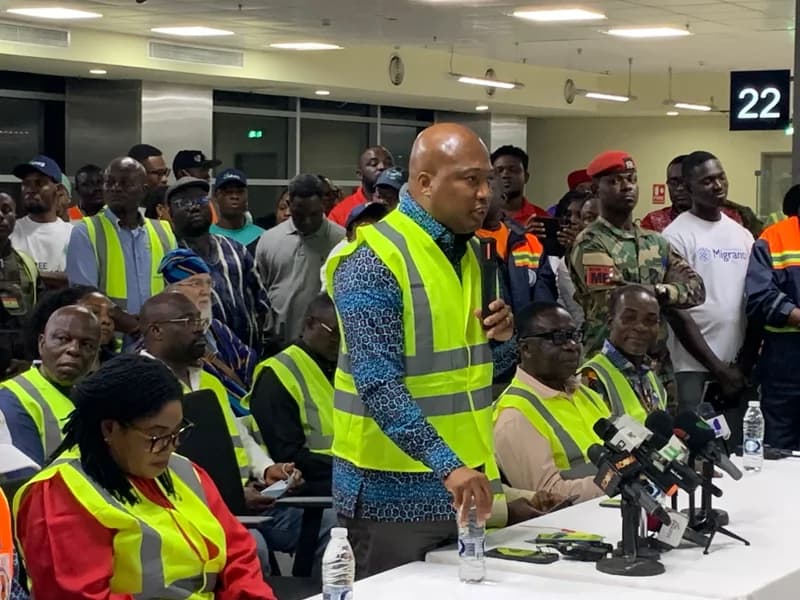
The Ghanaian government has successfully completed an emergency airlift of nearly 1,000 citizens from South Africa, concluding a high-stakes humanitarian mission triggered by a surge in xenophobic violence. The final batch of 342 returnees arrived at Kotoka International Airport in Accra on June 7, 2026, bringing the total number of evacuees to 979 individuals who fled for their lives. This multi-phase operation, directed by President John Dramani Mahama and coordinated by the Ministry of Foreign Affairs, was initiated after an escalation of "afrophobic" attacks forced many Ghanaians to abandon their businesses and homes. The arrivals were met by a government delegation led by Deputy Minister of Foreign Affairs James Gyakye Quayson, who emphasized a national commitment to healing and reconciliation for the traumatized returnees.
Foreign Affairs Minister Samuel Okudzeto Ablakwa, who oversaw the reception of previous batches, highlighted the efficiency of the airlift, noting that other African nations are now studying Ghana’s strategic evacuation model. He commended the evacuees for their resilience and revealed that every individual had successfully passed security screenings, debunking negative stereotypes and reinforcing Ghana’s reputation for law-abiding citizens. Despite the harrowing experiences shared by returnees—including accounts of near-fatal assaults—the government and private sector have mobilized a comprehensive support system. This includes emergency immigration clearing, psychosocial assistance, transport allowances, and the immediate provision of pre-loaded SIM cards and data by telecommunications provider AT (formerly AirtelTigo) to help families reconnect.
To ensure a sustainable transition, the government has secured approximately 200 job opportunities for the returnees through partnerships with the private sector. Notably, industrialist Ibrahim Mahama’s firm, Engineers and Planners, has committed to 100 positions, while other companies like Telecel and AirtelTigo have also pledged employment slots. Minister Ablakwa challenged the returnees to reinvest their skills into the domestic economy, pointing out that the Ghanaian diaspora contributed a record US$7.8 billion in remittances in 2025, accounting for 6% of the national GDP. He emphasized that while these citizens were forced to flee, their economic contributions are vital to national growth, and the state remains committed to their long-term welfare.
The evacuation has occurred amid complex diplomatic tensions. While South African President Cyril Ramaphosa appealed for continental solidarity and framed the violence as an "African problem" rooted in socioeconomic pressures, other South African officials warned Ghana against creating "public spectacles" around the repatriation flights. In response, Ghana is initiating legal processes to seek compensation for victims who lost assets and livelihoods, with plans to petition the African Union for broader accountability. As the final evacuees settle back into their communities, the government continues to provide health support through the National Health Insurance Scheme and ongoing resettlement assistance to facilitate their full reintegration into Ghanaian society.
This story touches markets covered on Anansi Intelligence ↗.
More from africa
Continue exploring similar stories


