••
Ghana Strengthens Diplomatic Ties and Security Alliances Amid Shifting Regional and Global Political Landscapes
•3 min read•26 sources
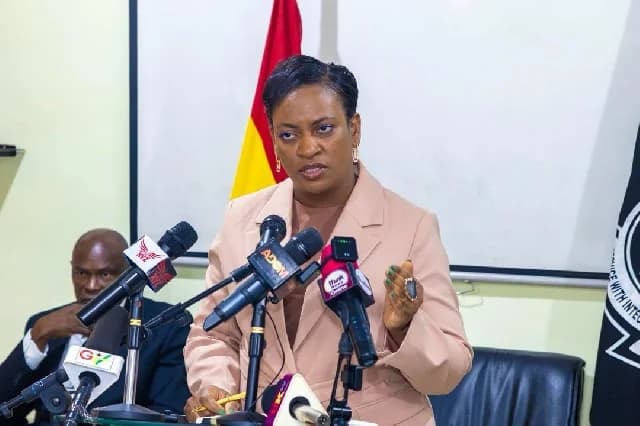
Ghana has intensified its international engagements, marked by a significant clarification from the Ministry of Foreign Affairs regarding a new Security and Defence Partnership with the European Union. Officials emphasized that the agreement, signed by Vice President Professor Naana Jane Opoku-Agyemang and EU High Representative Kaja Kallas, does not permit the stationing of foreign troops or the establishment of military bases on Ghanaian soil. Instead, the partnership focuses on bolstering counter-terrorism, cybersecurity, and maritime security. This move aligns with Ghana's broader strategy of regional cooperation, which also saw the Nuclear Regulatory Authority of Ghana sign a Memorandum of Understanding with the Rwanda Utilities Regulatory Authority to enhance nuclear safety and peaceful applications of nuclear energy.
In neighboring West African nations, political shifts and legal battles have taken center stage. In Benin, Finance Minister Romuald Wadagni secured a landslide victory in the presidential election, claiming over 94% of the vote. While the transition consolidates the governance model of outgoing President Patrice Talon, it has faced criticism over the exclusion of major rivals and low urban voter turnout. Meanwhile, Senegal has recorded its first conviction under a newly toughened law against homosexuality, sentencing a 24-year-old laborer to six years in prison. In the legal sphere, former Nigerian Oil Minister Diezani Alison-Madueke appeared in a London court to deny extensive bribery allegations, asserting that her official expenses were legitimate reimbursements from the Nigerian National Petroleum Company.
Diplomatic relations between Ghana and Israel have faced a complex period of reconciliation and disagreement. Israeli Ambassador Roey Gilad issued a formal apology for a military strike that injured three Ghanaian UN peacekeepers in Lebanon, describing the incident as a mistake occurring during an exchange of fire with Hezbollah. However, tensions remained high at the United Nations, where Israel voted against a Ghana-led resolution declaring the Atlantic Slave Trade the "gravest crime against humanity." Ambassador Gilad argued that the terminology creates a problematic hierarchy of genocides, a stance challenged by former President John Dramani Mahama, who defended the resolution's necessity for historical accountability.
On the global stage, Pope Leo XIV has emerged as a central figure in peace advocacy, securing a three-day ceasefire from Anglophone separatists in Cameroon ahead of his spiritual visit to Bamenda. During his travels, the Pontiff also addressed criticisms from former U.S. President Donald Trump regarding his stance on Iran and immigration, stating he is not afraid of the administration's rhetoric. These developments occur as global security remains fragile; the U.S. and Iran are locked in a maritime standoff in the Strait of Hormuz, drawing warnings from China and Russia. Simultaneously, Spain’s government has approved a landmark plan to grant legal status to 500,000 undocumented migrants to address economic needs, signaling a shift in European migration policy despite domestic opposition.
This story touches markets covered on Anansi Intelligence ↗.
More from politics
Continue exploring similar stories


