••
Ghana Anchors Regional Stability as EU Inks Historic Defense Pact Amid Surging Global and West African Tensions
•3 min read•32 sources
In a significant pivot for West African security, the European Union has moved to formalize a historic defense cooperation agreement with Ghana, marking the EU's first-ever security arrangement with an African nation. Announced by EU foreign affairs chief Kaja Kallas in March 2026, the partnership focuses on counter-terrorism and regional security under the broader Security Action for Europe (SAFE) program. This diplomatic milestone coincides with Ghana's active engagement on the world stage, including President John Dramani Mahama’s five-day working visit to South Korea to enhance trade and maritime security, and high-level participation in Commonwealth Day 2026. During the London celebrations, the Ga Mantse, King Tackie Teiko Tsuru II, met with King Charles III to strengthen cultural diplomacy, while back in Accra, the government reaffirmed its commitment to democratic values and youth empowerment through national commemorations and university debates.
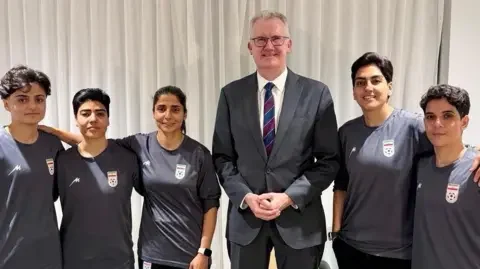
These diplomatic strides occur against a backdrop of escalating global conflict, most notably the intensifying military standoff between the United States, Israel, and Iran. Now in its eleventh day, the conflict has claimed over 1,700 lives and severely disrupted global energy markets. U.S. intelligence reports indicate that Iran has begun laying mines in the Strait of Hormuz, a critical chokepoint for 20% of the world's crude oil. President Donald Trump has issued stern warnings of military consequences if the mines are not cleared, while the G7 prepares a synchronized release of emergency oil stocks to mitigate soaring fuel prices. The human toll of this unrest is highlighted by the tragic deaths of Iranian footballer Zahra Azadpour and referee Sabha Rashtian, who were killed during protests against the Islamic regime, leading several members of the Iranian women’s national football team to seek humanitarian asylum in Australia.
Closer to home, West Africa faces a wave of political upheaval and security threats that stand in stark contrast to Ghana's relative stability. In Guinea, opposition leader Cellou Dalein Diallo has accused President Mamadi Doumbouya of attempting to establish a one-party state following the government's dissolution of 40 political parties ahead of critical legislative elections. Meanwhile, Ivory Coast continues to face scrutiny from Amnesty International over the 'unjust' arrest of protesters following President Alassane Ouattara’s controversial fourth-term victory. Regional security also remains fragile, as evidenced by a recent attack on a military drone base in Tahoua, Niger, where government forces successfully repelled an assault by unidentified gunmen on motorcycles, reflecting the persistent threat of jihadist violence in the Sahel.
Further complicating the geopolitical landscape are significant policy shifts from the United States, including the formal classification of Sudan’s Muslim Brotherhood as a Foreign Terrorist Organization. Effective March 16, 2026, the designation cites the group's links to Iran's Revolutionary Guard and its role in obstructing peace efforts in Sudan's ongoing civil war. Concurrently, the Trump administration faces legal challenges at home over its decision to terminate Temporary Protected Status (TPS) for Somali immigrants, a move advocates claim is racially motivated. As Ghana continues to navigate these complex international and regional dynamics, its new defense pact with the EU and its strengthening ties with global partners like South Korea position the nation as a vital anchor for democratic governance and security in an increasingly volatile world.
This story touches markets covered on Anansi Intelligence ↗.
More from politics
Continue exploring similar stories


