••
Ghana Institution of Engineering Urges National Structural Assessment to Supplement Government’s Permit Audit
•2 min read•1 source
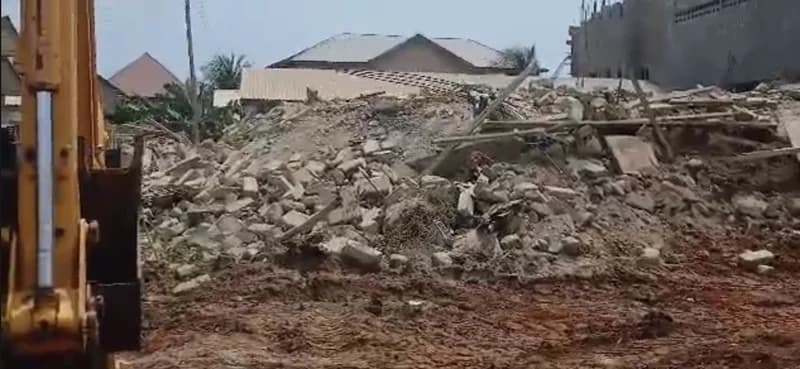
Ing. Prince Kas-Avortri, the Executive Secretary of the Structural Sub-Division of the Ghana Institution of Engineering, has welcomed the government’s decision to audit building permits issued by Metropolitan, Municipal, and District Assemblies (MMDAs). While describing the move as a step in the right direction, Ing. Kas-Avortri cautioned that focusing solely on permit documentation is insufficient to tackle the systemic challenges of unsafe construction practices and weak regulatory oversight currently plaguing the country’s built environment. He stressed that without a holistic approach to enforcement and coordination among regulatory bodies, the underlying risks to public safety will persist despite administrative reviews.
The engineering expert highlighted a concerning reality in Ghana’s construction sector, noting that a significant number of existing buildings lack both valid permits and professional structural designs. According to Kas-Avortri, nearly 50 percent of structures nationwide could potentially pose safety risks due to substandard materials or inadequate engineering supervision. He argued that the current regulatory framework is often poorly enforced, allowing developers to bypass critical safety checks. This lack of oversight has resulted in a landscape where many structures are built without the necessary structural integrity to withstand environmental pressures or long-term usage, creating a ticking time bomb for potential collapses.
To address these vulnerabilities, the Ghana Institution of Engineering is advocating for a more aggressive national intervention that goes beyond administrative audits. Kas-Avortri proposed a comprehensive structural assessment of all existing buildings to identify those that are fundamentally unsound. He suggested that buildings deemed unfit for habitation and beyond repair should be demolished to prevent future disasters and ensure public safety. By prioritizing a nationwide structural audit and strengthening the enforcement powers of regulatory bodies, the government can move closer to ensuring that Ghana’s urban development is both sustainable and safe for all citizens.
This story touches markets covered on Anansi Intelligence ↗.
More from education
Continue exploring similar stories


