••
Ghana Intensifies Environmental Enforcement to Mitigate Flooding and Illegal Mining Damage
•2 min read•3 sources
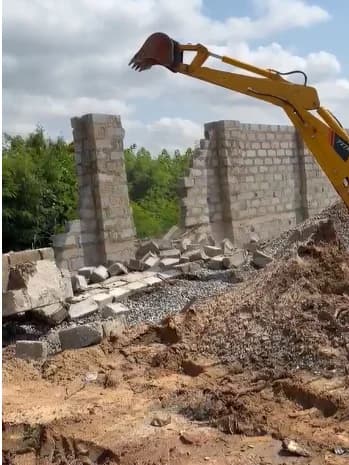
Ghanaian authorities have intensified environmental enforcement efforts across the country to mitigate the impacts of seasonal flooding and illegal resource extraction. From the demolition of obstructing structures in the Greater Accra Region to a major crackdown on illegal mining in the Western Region, state agencies are signaling a move toward stricter regulation of human activities that compromise public safety and natural ecosystems. These coordinated actions follow recent heavy rains that have caused significant displacement and property damage, highlighting the urgent need for structural and environmental reforms. In the urban centers of Greater Accra, the Ablekuma West Municipal Assembly recently demolished a wall in Opetekwe that was found to be blocking a major waterway. The structure, which belonged to a former parliamentary aspirant, was identified as a primary cause of localized flooding that had distressed residents. In a similar vein, Ghana Water Ltd. (GWL) has addressed ongoing concerns regarding the Weija Dam. Stanley Martey, GWL’s Director of Communications, emphasized that flooding in the Weija area is primarily driven by unregulated construction in waterways and poor local government oversight rather than dam operations. GWL is calling for the demolition of unauthorized structures and the restoration of buffer zones to protect both the infrastructure and the surrounding communities. Parallel to urban flood mitigation, the National Anti-Illegal Mining Operations Secretariat (NAiMOS) completed a five-day enforcement campaign in the Wassa Amenfi Central District. Between May 23 and May 27, 2026, the taskforce dismantled over 90 illegal mining machines in hotspots such as Dominase, Jedua, and Ankasie. The operation revealed catastrophic environmental destruction, including the heavy pollution of rivers and widespread deforestation. In addition to decommissioning mining equipment, the taskforce recovered firearms, underscoring the security risks inherent in these illicit activities. These multi-regional operations reflect a growing national consensus on the need for proactive environmental management. By removing illegal blockages in city drains and dismantling mining setups in the countryside, authorities aim to address the root causes of environmental degradation. Moving forward, the focus remains on sustained enforcement and the restoration of affected lands to ensure long-term resilience against natural disasters. Officials continue to urge local governments and citizens to adhere to planning regulations to prevent future loss of life and property.
This story touches markets covered on Anansi Intelligence ↗.
More from africa
Continue exploring similar stories


