••
Ghana’s Energy and Economic Reforms Intensify Amid Infrastructure Pushes and Growing Calls for Accountability
•3 min read•21 sources
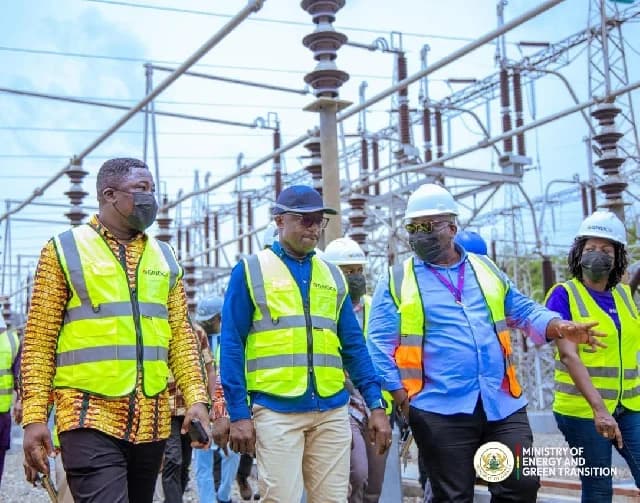
Ghana’s energy sector is undergoing significant shifts as the government works to stabilize the national grid while facing intense scrutiny over power reliability. Minister for Energy and Green Transition, John Abdulai Jinapor, recently announced the restoration of the third generating unit at the Akosombo Dam, a move expected to add 280 megawatts to the national supply and alleviate pressure on the energy system. This technical progress coincides with a heated public debate regarding whether recent outages constitute a return of the dreaded 'dumsor.' While the Ministry has formally protested reports of massive 1,000 MW load shedding as misleading and unsupported by data, figures like former MP Hopeson Adorye and officials from the Institute for Energy Security (IES) suggest that current interruptions are tied to necessary infrastructure upgrades, specifically the replacement of outdated transformers by ECG and GRIDCo.
Financial transparency and economic stability remain at the forefront of the national agenda. Finance Minister Dr. Cassiel Ato Forson has launched the sixth review of Ghana’s programme with the International Monetary Fund (IMF), describing the partnership as a transformative success that has stabilized the economy since the 2022 crisis. However, the opposition in Parliament is demanding greater fiscal accountability. First Deputy Minority Whip Habib Iddrisu has invoked the Right to Information (RTI) Act to demand details on billions of cedis collected under the Energy Sector Levies Act, citing a failure by the Ministry to submit legally required annual reports. This push for transparency is mirrored by a procurement controversy involving former ECG Managing Director Samuel Dubik, who claimed that currently installed transformers were actually procured by a previous administration, raising questions about inventory management after an audit revealed significant discrepancies in ECG’s container stocks.
Infrastructure development continues to be a primary focus for the government, with major projects spanning roads, coastal protection, and local markets. Minister for Roads and Highways Governs Kwame Agbodza confirmed that the Suame Interchange project in the Ashanti Region is targeted for completion by 2028, supported by an additional GH¢3 billion injection. Simultaneously, the Oti Region has seen the launch of the 24-Hour Economy Markets Project, aimed at boosting local productivity and job creation. In the environmental sector, plans for the World Bank-funded West Africa Coastal Areas (WACA) project are moving toward the construction phase to combat erosion in the Volta Region. These projects are often accompanied by calls from community leaders, such as the Tema Presbytery of the Global Evangelical Church, to accelerate work on highways and irrigation systems to ensure food security and economic growth.
Despite these advancements, the political and labor landscape remains tense. The Public Utility Workers’ Union (PUWU) has expressed concerns over recent ECG staff reassignments, warning against the politicization of technical challenges that they argue stem from obsolete equipment rather than worker performance. Political commentary has also flared up, with public figures like comedian DKB and actor Prince David Osei trading barbs over the root causes of the power crisis, while NPP campaign member Nana Akomea has dismissed unusual reports blaming wildlife for substation failures. As Ghana navigates these multifaceted challenges, the combination of technical grid improvements, rigorous IMF-backed economic reforms, and the completion of major infrastructure projects will be critical in determining the country's trajectory and public confidence in government performance.
This story touches markets covered on Anansi Intelligence ↗.
Related topic
NPP (New Patriotic Party): Latest News →More from politics
Continue exploring similar stories


