••
Ghana Transitions from Crisis to ‘Wellness Center’ as Finance Minister Declares End of IMF Bailout Era
•3 min read•51 sources
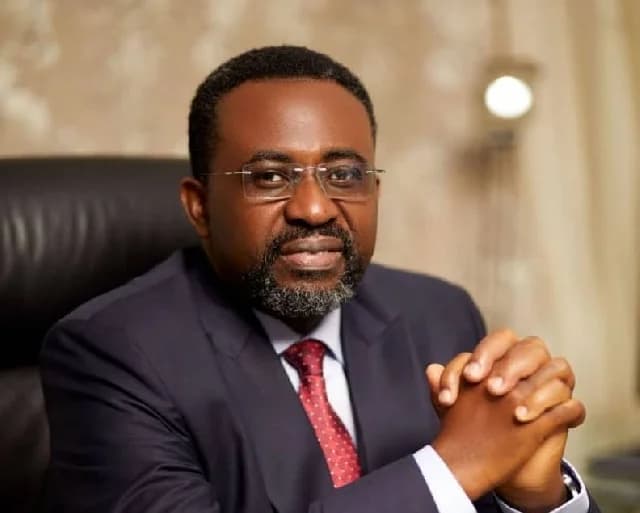
Finance Minister Dr. Cassiel Ato Forson has declared a definitive turning point for Ghana’s economy, announcing that the nation has transitioned from "the ICU to the wellness center." Speaking before Parliament, Forson confirmed that Ghana has successfully concluded its final review under the current International Monetary Fund (IMF) bailout program and will not require further financial assistance for the foreseeable future. This transition marks the end of the country’s 17th IMF arrangement, as the government moves toward a non-financing Policy Coordination Instrument (PCI) focused on policy guidance rather than emergency funding. Under President John Dramani Mahama’s "Reset Agenda," the administration reports a significant macroeconomic rebound, with real GDP growth reaching 6.0% in 2025 and inflation plummeting from a high of 23.8% in late 2024 to 3.4% by April 2026.
Central to this recovery has been a rigorous focus on fiscal discipline and institutional reform. The national debt-to-GDP ratio has seen a sharp decline from 61.8% in 2024 to 44.7% in 2025, while the current account recorded a surplus of 8.3% of GDP. To sustain this momentum, the Finance Ministry plans to unveil "The New Economy" program in the 2027 Budget. This initiative aims to pivot the nation from stabilization toward aggressive long-term growth, prioritizing productivity and inclusive job creation. Complementing these fiscal targets, the government has set an ambitious energy goal to add 3,000 megawatts of power capacity by 2030, with 30% derived from renewable sources. This expansion is designed to anchor Ghana’s industrialization strategy, shifting the economic model from raw material exports to high-value manufacturing and regional trade integration under the African Continental Free Trade Area (AfCFTA).
Innovation in revenue mobilization and monetary management has further fortified the economic outlook. The Ghana Revenue Authority (GRA) reported a milestone collection of GH¢1 billion in April 2026, a feat attributed to the implementation of the "Republican Artificial Intelligence" system at national ports. This data-driven approach is part of a broader transformation toward a more enforcement-oriented tax architecture intended to broaden the tax base through digital tools and modernization of outdated laws. Simultaneously, Bank of Ghana Governor Dr. Johnson Asiama highlighted that international reserves peaked at $14.4 billion in May 2026. These robust reserves have served as a critical buffer against global shocks, such as geopolitical tensions in the Middle East, though the central bank remains vigilant as the cedi continues to face moderate depreciation pressures due to high corporate dollar demand and rising oil prices.
Despite these gains, leaders at the 10th Ghana CEO Summit, including Deloitte Ghana’s Daniel Kwadwo Owusu and Togbe Afede XIV, cautioned that macroeconomic stability must translate into improved living conditions and real jobs for the youth. Currently, only 15% of university graduates find meaningful employment within two years, highlighting a structural gap that the government intends to bridge through digital economy investments and vocational education. The African Development Bank (AfDB) remains optimistic, forecasting 5.0% GDP growth for Ghana in 2026—outpacing projections from the World Bank and IMF. As Ghana moves from an IMF "supplicant" to a strategic partner, the focus now shifts to ensuring that the newfound wellness of the national balance sheet fosters tangible prosperity and transgenerational enterprise for all citizens.
This story touches markets covered on Anansi Intelligence ↗.
Related topic
Ghana Customs Recruitment: Latest News & Updates →Live rates
Dollar to cedi rate →More from business
Continue exploring similar stories

