••
Ghana’s Educational Landscape: Advocacy for Fair Pay, Gender Justice, and Targeted Support Grows
•3 min read•12 sources
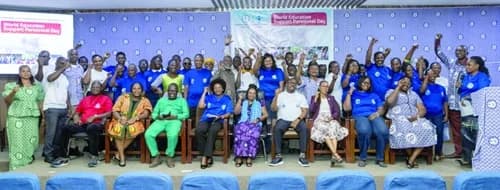
Ghana’s education sector is currently navigating a complex array of challenges ranging from industrial disputes to systemic barriers for marginalized students. At the forefront of these issues are calls for labor equity and gender justice, alongside emerging scholarship initiatives designed to bridge the accessibility gap in underserved communities. These developments come at a time when global perceptions of the value of higher education are being scrutinized, as seen in recent inquiries into the UK's student loan system, highlighting a growing need for sustainable and fair educational policies worldwide.
Industrial unrest is simmering within Ghana's tertiary institutions, where the Colleges of Education Teachers Association of Ghana (CETAG) is advocating for over 250 lecturers affected by salary downgrades. General Secretary Fidelis Kamaayi has expressed frustration over reforms that have positioned Master’s degree holders lower than their MPhil counterparts, violating the principle of equal pay for equal work. Simultaneously, the Teachers and Educational Workers Union (TEWU) of TUC-Ghana has raised concerns regarding gender justice for education support personnel. TEWU General Secretary James Azortibah highlighted that over 80% of support roles are held by women who often face low wages and exclusion from decision-making, urging the government to adopt gender-responsive budgets to support the holistic development of the sector.
Beyond labor concerns, the Forum for African Women Educationalists (FAWE) is championing the fight against "period poverty" and menstrual stigma, which remain significant drivers of school absenteeism among girls in Africa. In Ghana, studies indicate that up to 95% of girls in some communities struggle to access affordable menstrual products. FAWE leaders, including Ms. Susan Opok Tumusiime and Ms. Esenam Amuzu, are calling for enhanced policy reforms and investments in sanitation facilities. They emphasize that menstrual health is a vital human right that must be integrated into educational support systems to ensure girls can complete their schooling without interruption.
Efforts to improve educational access through financial aid are also gaining momentum. The Bui Power Authority (BPA) recently awarded scholarships to 27 students from communities affected by its operations, bringing its total number of beneficiaries to 111 since 2019. These scholarships focus on STEM fields to foster socio-economic empowerment. Complementing this, stakeholders in the fisheries sector, led by Mr. Daniel Akpaglo Nyamekor of the Chief Fishermen and Queen Fishmongers Council, are advocating for targeted scholarship schemes for students in riparian communities near Volta Lake. They argue that training local youth as teachers and healthcare professionals will ensure that service delivery is managed by those who understand the unique social and cultural dynamics of these underserved areas.
Ultimately, these diverse developments underscore a critical turning point for Ghanaian education. Whether through resolving salary disparities for lecturers, ensuring dignity for support staff, or removing the biological and financial barriers for students in rural areas, the common thread is a demand for equity. As government and private stakeholders collaborate on these initiatives, the goal remains the creation of a resilient educational system that provides a clear and fair return on investment for all participants, from the primary school girl to the tertiary educator.
This story touches markets covered on Anansi Intelligence ↗.
More from education
Continue exploring similar stories


