••
Ghana’s Academic Leaders Call for Radical Curriculum Reform and Quality Assurance to Navigate AI Transformation
•3 min read•7 sources
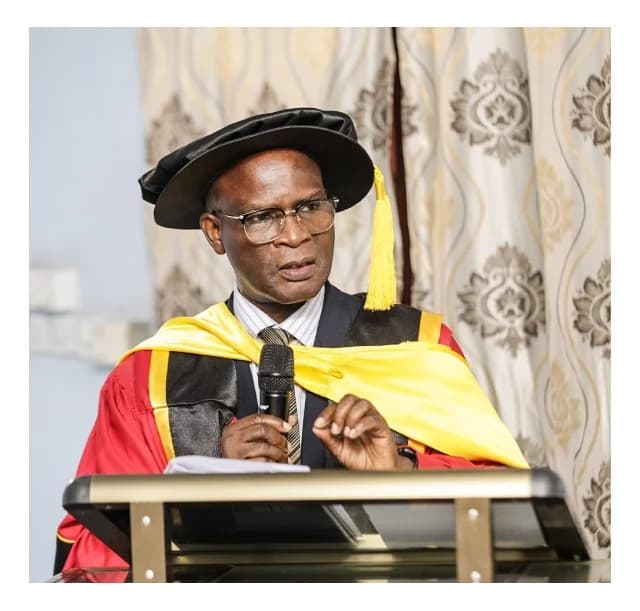
Education experts and university leaders across Ghana are advocating for a comprehensive overhaul of higher education frameworks to remain relevant in the age of Artificial Intelligence (AI). From the Seventh Vice-Chancellor’s Distinguished Lecture Series at Ho Technical University (HTU) to the matriculation ceremonies at the Accra Institute of Technology (AIT), a unified message has emerged: academic institutions must bridge the gap between traditional learning and the rapidly evolving digital landscape. Leaders are urging a shift toward multidisciplinary education that combines technical proficiency with humanistic insight to prepare graduates for a global market increasingly defined by automation and innovation.
Speaking at the HTU lecture series, Professor Dr. Ron S. J. Tuninga from Wittenborg University emphasized the dual nature of AI, noting that while it offers immense opportunities to enhance competitiveness, it also exposes significant skills shortages and weak digital infrastructure in Africa. He called on technical universities to adopt innovative educational models and integrate AI directly into their curricula. This sentiment was echoed by HTU’s Vice-Chancellor, Professor Ben Q. Honyenuga, who argued that academia must engage deeply with AI to boost productivity. This shift aligns with emerging views on modern literacy, which suggest that the old divide between STEM and the humanities is obsolete; instead, the future belongs to those who possess "dual language" fluency in both technical expertise and humanistic understanding.
The transformation also requires a cultural shift in how students approach their education. At a recent matriculation ceremony for 586 new students at AIT, Professor Clement K. Dzidonu challenged the youth to embrace lifelong learning and the "Opportunity–Possibility–Difference" (OPD) perspective. He stressed that in an AI-driven world, deep thinking and responsible leadership are just as critical as academic degrees. By focusing on how they can create positive community change through digital technology, students are encouraged to look beyond the classroom to become innovators and problem-solvers in an era of constant change.
Beyond individual classrooms, systemic changes are being demanded at the continental level to ensure these technologies are adopted effectively. Dr. Violet Makuku, Director of the Global Quality Assurance Association (GQAA), recently highlighted the need for African universities to strengthen their quality assurance systems during a symposium in Accra. She advocated for a comprehensive review of academic standards to ensure that AI integration is both effective and ethically sound. Looking ahead, these discussions are set to culminate in the 2027 African Round Table on Business Practice Education and Research, a major milestone intended to formalize collaboration between industry and academia to meet the technological demands of the future.
This story touches markets covered on Anansi Intelligence ↗.
More from education
Continue exploring similar stories


