Ghana News AI
HomeBriefsAsk GhanaAnalysisTopicsAbout
•
•

Stay Informed

Get AI-curated news briefs from Ghana delivered to your inbox every morning. Free forever, no spam.

Explore

  • Home
  • Briefs
  • About

Categories

  • Politics
  • Business
  • Sports
  • Entertainment
  • Africa

Features

  • Analysis
  • Cedi Rates
  • Dollar to Cedi
  • Ghana Gold Price

Topics

  • All Topics
  • Armed Forces Recruitment
  • Immigration Service Recruitment
  • Fire Service Recruitment
  • Prisons Service Recruitment
  • Customs Recruitment
  • WAEC Results & News
  • Ghana Education Service

Legal

  • Privacy Policy
  • Terms of Service
Ghana News AI© 2026 Ghana News AI. All rights reserved.
Made withfor Ghana
africa

West Africa's Path to Integration: Ghana Bolsters Education, Agriculture, and Digital Markets Amid Regional Shifts

24th March•3 min read•12 sources
West Africa's Path to Integration: Ghana Bolsters Education, Agriculture, and Digital Markets Amid Regional Shifts
  1. Home
  2. /Africa
  3. /West Africa's Path to Integration: Ghana Bolsters Education, Agriculture, and Digital Markets Amid Regional Shifts

Ghana is positioning itself at the center of a burgeoning movement for African economic and digital integration, highlighted by high-level international support and grassroots advocacy. During an official mission in March 2026, World Bank Managing Director Paschal Donohoe reaffirmed the institution’s commitment to Ghana’s recovery, announcing a landmark $300 million investment in the STARR-J program to enhance secondary education and practical skills. This mission coincides with a growing continental demand for a "borderless Africa," championed by the Africa Prosperity Network and prominent influencers like Wode Maya. The movement aims to collect 10 million signatures by 2027 to urge African leaders to implement treaties for a 1.5 billion-consumer single market. Complementing these efforts, Bank of Ghana Governor Dr. Johnson Pandit Asiama warned at the 3i Africa Summit that without urgent fintech integration and interoperable payment systems, Africa risks fragmented growth that hinders cross-border trade and financial inclusion.

In the agricultural sector, regional shifts are prompting Ghana to accelerate its path toward self-reliance. The Peasant Farmers Association of Ghana (PFAG) has characterized Burkina Faso’s recent ban on tomato exports as a "blessing in disguise," urging the government to implement homegrown strategies to prevent food shortages and price hikes. This call for modernization is already being answered by private initiatives like Nobi Agriculture in the Afram Plains. Spearheaded by Kwame Awuah-Darko, the 21,000-acre project integrates advanced irrigation, research, and processing facilities. Recently visited by political leaders, including former President John Mahama and Agriculture Minister Eric Opoku, the project has already boosted rice yields to 3.5 tonnes per acre and created over 150 jobs, signaling a shift toward large-scale industrialization as a primary solution to food security challenges.

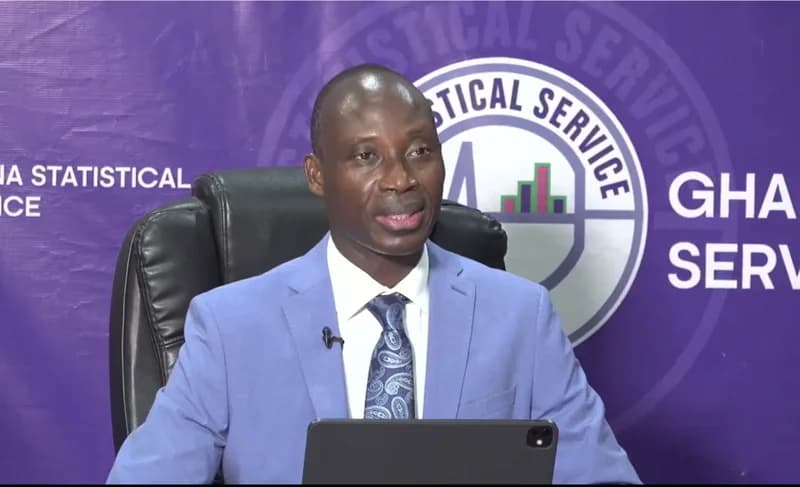
Despite these advancements, significant social and security hurdles remain that could undermine long-term growth. The Ghana Statistical Service (GSS) recently raised alarms over child labor, reporting that over 2,000 children aged 10 to 14—80% of whom are girls—are engaged in mobile trading businesses, often earning less than GH¢100 daily. Dr. Alhassan Iddrisu of the GSS emphasized the urgent need for enforced labor laws and vocational support to ensure educational retention for vulnerable youth. Simultaneously, transnational crime continues to pose a threat to the region's reputation. A major police operation in Canada, dubbed "Project Stratis," recently intercepted eight luxury vehicles valued at $800,000 intended for shipment to Ghana. The operation dismantled an organized carjacking network, underscoring the necessity for enhanced international intelligence-sharing to combat organized theft.

These developments illustrate a continent at a crossroads, balancing ambitious visions of a unified digital marketplace with the immediate realities of agricultural dependency and social vulnerability. The success of initiatives like the World Bank’s education funding and Nobi Agriculture’s infrastructure will depend heavily on the political will to implement regional treaties. As Ghana moves toward 2027, the focus remains on transforming fragmented potential into a cohesive, prosperous, and secure regional economy that protects its most vulnerable citizens while empowering its creators and farmers.

Our Take

From the Team

Coming Soon

Our team will add key insights, trends, and actionable takeaways to help you stay informed faster.

This story touches markets covered on Anansi Intelligence ↗.

More from africa

Continue exploring similar stories

U.S. Embassy in Accra Announces Temporary Closure and Revised Hours for 250th Independence Day Celebration
africa|Yesterday

U.S. Embassy in Accra Announces Temporary Closure and Revised Hours for 250th Independence Day Celebration

The U.S. Embassy in Accra has officially announced a temporary adjustment to its operating schedule in observance of the upcoming 250th anniversary of United States Independence Day. This milestone celebration will see the diplomatic mission revise its service hours, impacting routine operations and public services in the capital. The announcement serves as a proactive notice to the public, visa applicants, and U.S. citizens residing in Ghana to ensure that all time-sensitive matters are addressed ahead of the scheduled downtime. According to the official communication, the embassy will conclude its business activities early on July 2, 2026, with doors closing to the public at 2:30 PM. Furthermore, the facility will remain entirely closed throughout the following day, July 3, 2026, as staff and the American community mark the historic Semiquincentennial. These changes are part of a coordinated effort to honor the significance of the 250-year anniversary of the signing of the Declaration of Independence, a landmark event in American history that resonates through its diplomatic presence worldwide. While the closure is temporary, the embassy has advised the general public to plan their visits and applications accordingly to avoid potential disruptions. Normal business operations and consular services are expected to resume promptly following the holiday period. This advisory is particularly relevant for those seeking consular appointments or requiring administrative assistance, as the Embassy maintains its commitment to efficiency while observing national traditions. The U.S. Embassy in Ghana remains a critical hub for bilateral relations, and such observances are standard procedure for diplomatic missions balancing local operations with national heritage celebrations.

Ghana Faces Multi-Sectoral Crisis as Fire Safety Deficits, Atewa Forest Degradation, and Staggering Crop Losses Threaten Stability
africa|Yesterday

Ghana Faces Multi-Sectoral Crisis as Fire Safety Deficits, Atewa Forest Degradation, and Staggering Crop Losses Threaten Stability

Ghana is currently grappling with a series of critical challenges across the safety, environmental, and agricultural sectors, ranging from severe infrastructure deficits in emergency response to a looming crisis in food security and ecological preservation. In the Eastern Region, a newly appointed fire commander has signaled an urgent need for operational overhauls to protect citizens, while environmental advocates are escalating calls to protect the Atewa Forest Reserve from total degradation. Simultaneously, new agricultural research indicates a staggering threat to the nation’s rice production, highlighting a broader need for systemic intervention to safeguard the country’s natural resources and the livelihoods of its people. ACFO II Emmanuel Ofori Asamoah, the Eastern Regional Fire Commander, recently concluded a month-long familiarization tour that exposed significant vulnerabilities in the state's emergency response capabilities. During his assessment of various stations, Commander Asamoah identified a critical list of obstacles, including a shortage of fire tenders, faulty hydrants, and inadequate personnel accommodation. Most alarmingly, the tour highlighted a trend of physical attacks on firefighters and poor access routes to emergency sites. To combat these issues, Asamoah has proposed a six-point vision focused on logistics enhancement, personnel development, and intensive fire safety education, aiming to transform the regional command into a model of service excellence through collaboration with national headquarters. Parallel to these safety concerns, the environmental integrity of the Eastern Region remains under heavy threat, prompting the advocacy group Eco-Conscious Citizens to demand that the Atewa Forest Reserve be officially elevated to national park status. During the recent "Atewa Matters" campaign launch in Accra, advocates highlighted the forest’s indispensable role in maintaining water security and climate resilience for the entire country. National Coordinator Awula Serwah linked the forest's ongoing degradation—driven largely by human activities and illegal mining—directly to the severe flooding frequently experienced in the capital. The group is now mobilizing public support to revoke Executive Instrument (EI) 144, which they argue weakens existing protections and leaves the forest vulnerable to exploitation. The threat to Ghana’s natural and social stability is further compounded by a crisis in the agricultural sector, where rice farmers are facing catastrophic losses. Research conducted by the CSIR-Crops Research Institute and KOPIA reveals that invasive weeds are destroying up to 84% of rice harvests in some areas. This massive yield reduction poses a direct threat to national food security and emphasizes the need for a coordinated national response to support local farmers with better weed management strategies. Collectively, these developments in fire safety, conservation, and agriculture underscore a pivotal moment for Ghana, requiring urgent policy shifts and investment to ensure long-term stability and resilience across these vital sectors.

Dr. Mohammed Amin Adam and Hon. Ben Agolisi Unveil Key Community Projects in Northern Ghana
africa|Yesterday

Dr. Mohammed Amin Adam and Hon. Ben Agolisi Unveil Key Community Projects in Northern Ghana

Significant strides in community development have been recorded across Northern Ghana as prominent political figures commission essential infrastructure projects aimed at improving social, spiritual, and physical well-being. In the Karaga and Bawku West districts, two distinct initiatives—the completion of a modern mosque and the provision of clean drinking water—highlight a growing trend of localized investment. Former Finance Minister Dr. Mohammed Amin Adam and Assembly Member Hon. Ben Avokba Agolisi have both emphasized that these projects are vital for fostering unity and addressing long-standing humanitarian challenges within their respective constituencies. In the Karaga constituency, Dr. Mohammed Amin Adam officially handed over the Masjid Al-Noor to the Muslim community, envisioning the facility as more than just a place of prayer. Attended by high-ranking officials including former Vice President Dr. Mahamudu Bawumia, the commissioning ceremony underscored the mosque's role as a center for education and spiritual growth. Dr. Amin Adam urged religious leaders to utilize the pulpit to preach messages of peace and moral uprightness, stressing that the development of the community is inextricably linked to its spiritual health and social cohesion. Dr. Bawumia lauded the initiative, describing it as a testament to Dr. Amin Adam’s unwavering commitment to the holistic development of his people. Meanwhile, in the Bawku West District, Hon. Ben Avokba Agolisi, the Assembly Member for the Tanga Electoral Area, reached a significant milestone by commissioning his 20th borehole in the Gariyouga community. This intervention successfully addresses a water crisis that has plagued the area since 1992, forcing residents to rely on contaminated sources for decades. Since 2024, Agolisi has aggressively pursued a water security agenda, installing twenty boreholes to improve health outcomes and daily living standards. His efforts extend beyond water; following a devastating windstorm in May 2026, he also facilitated the reroofing of over 50 houses, providing critical relief to displaced families and urging other leaders to prioritize direct community investment. These developments reflect a multifaceted approach to regional growth, where religious infrastructure and basic utility services are viewed as complementary pillars of progress. While the Masjid Al-Noor provides a foundation for moral leadership and community gathering, the expanded borehole network in Gariyouga resolves a generational health threat. Together, these initiatives represent a shift toward localized solutions for historical deficits in infrastructure. As these communities transition into a new era of improved access and social stability, the emphasis remains on the sustainability of these projects and the continued partnership between local leaders and the citizens they serve.

Susan Adu-Amankwah Urges African Governments to Evacuate Citizens Following Surge in South African Xenophobic Attacks
africa|Yesterday

Susan Adu-Amankwah Urges African Governments to Evacuate Citizens Following Surge in South African Xenophobic Attacks

The recurring wave of xenophobic violence in South Africa has sparked a significant call for urgent action from leaders across the continent. Susan Adu-Amankwah, the Executive Secretary of the National Interest Movement, has formally urged African governments to prioritize the safety of their nationals by initiating immediate evacuations. This appeal comes as South Africa faces intensifying international pressure and widespread condemnation from nearly every African nation over the persistent targeting and harassment of foreign African nationals. Ms. Adu-Amankwah specifically highlighted Ghana’s recent decision to evacuate its citizens as a benchmark for decisive leadership and proactive protection. She argued that such actions serve a dual purpose: they directly safeguard lives and signal to the global community the severity of the crisis. According to the Executive Secretary, the time for relying solely on diplomatic communications and travel advisories has passed, and other countries must now follow Ghana’s lead to prevent further harm to their people. The internal situation in South Africa remains deeply fractured, with public opinion sharply divided over the presence of migrants. While anti-immigration protests continue to flare up, there is visible pushback from within the South African population. In one notable incident, white South Africans reportedly used gunfire to drive away anti-migrant protesters, illustrating the extreme tensions and the growing domestic opposition to xenophobic rhetoric. This internal friction highlights a complex social landscape where segments of the local population are actively resisting the violence perpetrated by their fellow citizens. As the crisis persists, the shift from traditional diplomatic dialogue to physical evacuation suggests a deepening lack of confidence in the South African government's ability to maintain public order and protect foreign residents. The ongoing instability raises significant concerns regarding African unity and the safety of cross-border movement. For now, the immediate focus for advocacy groups and neighboring governments remains on humanitarian interventions and ensuring that nationals can return home safely before the violence escalates further.

All
africa
business
education
entertainment
health
news
politics
sports
technology