••
Ghana’s Economy Records 5.1% Growth Driven by Services Sector as Cedi Shows Renewed Stability
•3 min read•7 sources
Ghana’s economy experienced a 5.1% year-on-year growth in May 2026, according to the latest Monthly Indicator of Economic Growth (MIEG) from the Ghana Statistical Service (GSS). While this indicates a continued expansion of economic activity, it represents a momentum slowdown from the 6.6% growth recorded in May 2025. The expansion was primarily spearheaded by a robust services sector, which grew by 7.2%, bolstered significantly by the information and communication sub-sectors. The industrial sector also contributed positively with a 4.2% increase, largely fueled by mining and quarrying activities, though the overall pace of growth across the economy remains a subject of close monitoring by policymakers.
Despite the positive headline figures, the agricultural sector has emerged as a point of concern, recording a sharp slowdown to 3.6% growth compared to the 9.8% achieved in the same period last year. This significant dip has raised alarms regarding food security and rural livelihoods, as agriculture remains a cornerstone of the Ghanaian economy. Meanwhile, in the labor market, Youth Development Minister George Opare-Addo highlighted a general decline in the national unemployment rate. He attributed this trend to the effectiveness of government interventions under President John Mahama's administration, though he acknowledged that targeted programs remain necessary to address the specific challenges faced by the growing youth population.
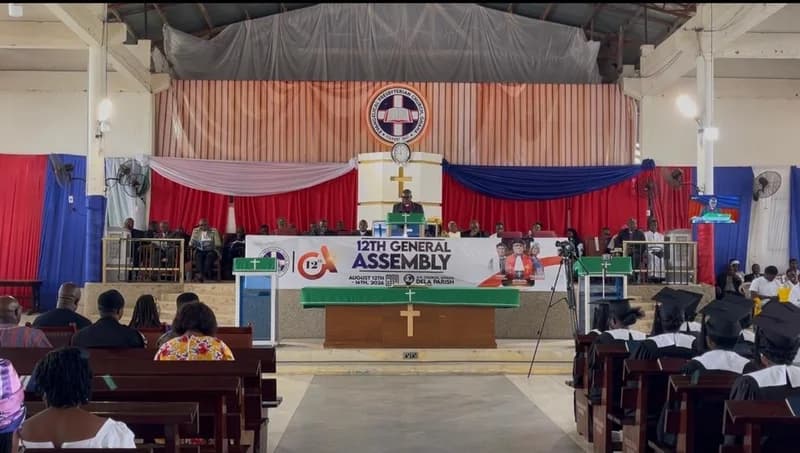
In the financial and corporate sectors, the Ghanaian Cedi has shown signs of resilience, appreciating against the US dollar to trade at an average selling rate of GHS 12.30 at forex bureaus as of August 14, 2026. On the Bank of Ghana interbank market, the currency was valued even more strongly at GHS 10.99 for sales. On the corporate front, MTN Ghana has solidified its role as a major economic pillar, contributing approximately GH¢10.5 billion in taxes and regulatory fees in 2025—accounting for nearly 6% of the Ghana Revenue Authority’s total collections. Additionally, the Evangelical Presbyterian Church, Ghana (EPCG) reported significant financial progress, clearing over GH¢11 million of its debt to bring its outstanding balance down to GH¢3.17 million.
Looking ahead, the convergence of steady service-led growth and a stabilizing currency provides a cautiously optimistic outlook for the remainder of 2026. However, the disparity in sectoral performance—particularly the struggle in agriculture versus the dominance of telecommunications and mining—underscores the need for balanced economic policies. As the government continues to implement its development agenda, the focus is expected to shift toward maximizing infrastructure investment and ensuring that the benefits of digital and industrial expansion translate into broader productivity gains and food price stability for all Ghanaians.
This story touches markets covered on Anansi Intelligence ↗.
Related topic
Ghana Customs Recruitment: Latest News & Updates →Live rates
Dollar to cedi rate →More from business
Continue exploring similar stories


