••
Ghana Navigates Economic Recovery and Infrastructure Revival Amid Calls for Strategic Urban Overhaul
•3 min read•37 sources
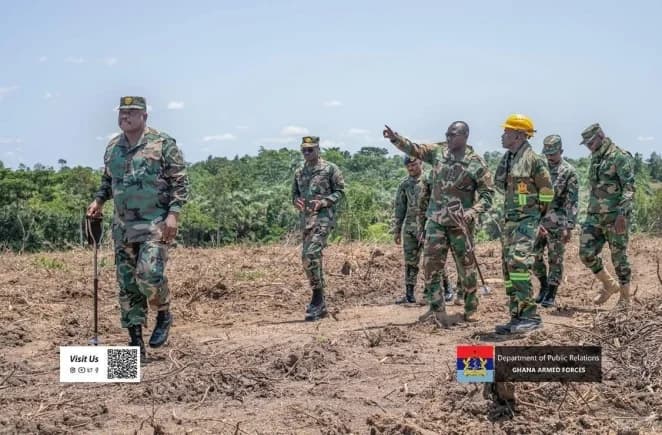
Ghana is currently navigating a complex landscape of economic stabilization and infrastructure revitalization, characterized by significant financial reporting from the Bank of Ghana (BoG) and a renewed focus on stalled national projects. The Majority Caucus in Parliament, led by MP Eric Afful, recently clarified that the BoG's reported net loss of GH¢15.6 billion and a negative equity position of GH¢96.3 billion in 2025 should not be viewed as insolvency. Instead, these figures are framed as necessary outcomes of aggressive policy interventions aimed at stabilizing the economy during times of global distress. The caucus highlighted that despite these balance sheet challenges, macroeconomic indicators are showing signs of recovery, with inflation dropping from a peak of 54.1% in 2022 to 5.4% by the end of 2025, supported by a projected GDP growth of 6.0%. However, this optimism is tempered by revelations from the District Assemblies Common Fund (DACF) that approximately GH¢8 billion worth of projects remain unfinished across the country, often due to political decisions and inadequate initial funding.\n\nOn the infrastructure front, the government is making strides to address public frustration over delayed works through its "Big Push" agenda. Roads and Highways Minister Kwame Governs Agbodza recently concluded an extensive inspection of projects in the Savannah and Upper West regions, issuing warnings to underperforming contractors while praising the progress on vital corridors like the Jeffisi-Tumu road. Simultaneously, the Ghana Armed Forces have begun clearing the corridor for the 175.6-kilometer Accra-Kumasi Expressway, a project of vital national importance. In the commercial sector, Minister Ahmed Ibrahim announced that the government is moving to secure funding for the stalled Kumasi Central Market Phase II and the Takoradi Market Circle redevelopment. These projects, which were halted in 2024 due to debt restructuring and financial constraints, are considered critical for economic transformation and the restoration of local trading activities.\n\nWhile physical infrastructure remains a priority, policy experts are urging a deeper strategic shift in how Ghana plans its urban future to avoid long-term economic stagnation. David Ofosu-Dorte, a prominent lawyer and policy analyst, has warned that Ghana risks being left behind in the emerging West African megapolis—a transnational urban corridor stretching from Abidjan to Lagos. Speaking at the JoyNews Speaker Series, Ofosu-Dorte criticized the legacy of colonial-era planning laws, such as the 1904 Building Ordinance, which he argues prioritized British economic interests over effective urban design. He emphasized that current urban fragmentation and the rising unaffordability of housing in cities like Accra are fueling social challenges such as homelessness. Without a coordinated approach to distinguish between land ownership and usage, and a move toward low-cost housing solutions, experts warn that Ghana's cities may fail to capitalize on their advantageous position within the regional economic corridor.\n\nThe government’s developmental agenda also extends to environmental protection and localized governance. The National Anti-Illegal Mining Operations Secretariat (NAiMOS) has intensified its crackdown on illegal mining, recently dismantling operations in the Nkawie Forest Reserve to protect vital water bodies like the Offin River. On a municipal level, the Ga East Assembly has launched the "24-hour Clean Ga East" initiative, utilizing sanitation courts and task forces to address flooding and waste management. These efforts are complemented by the Ministry of Environment’s recent distribution of vehicles to agencies like the EPA to boost operational efficiency. As the nation faces a US$22.6 billion funding gap for climate change resilience, the synthesis of these various initiatives—from macroeconomic management and road construction to urban reform and environmental protection—reflects a multifaceted attempt to secure Ghana’s long-term developmental stability.
This story touches markets covered on Anansi Intelligence ↗.
More from politics
Continue exploring similar stories


