••
Infrastructure and Emergency Services Strained by Power Outages, Deteriorating Roads, and Major Warehouse Fire
•3 min read•6 sources
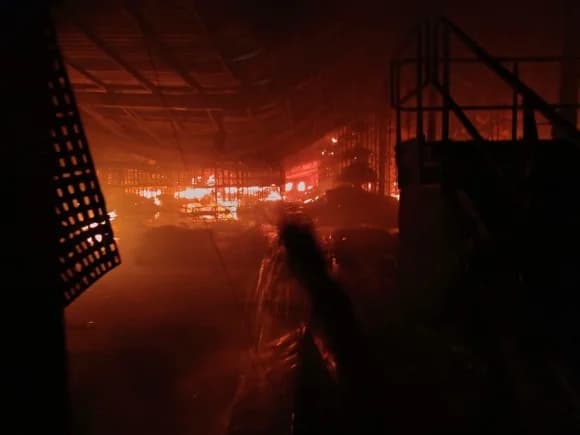
Ghana is currently navigating a series of critical infrastructure and safety challenges as the Electricity Company of Ghana (ECG) initiates widespread power maintenance while major transport routes and industrial safety systems are put to the test. These developments, ranging from scheduled blackouts to a massive warehouse fire in Tema and deteriorating road conditions on essential highways, have raised significant concerns among residents and health advocates regarding service delivery and public safety across the country. The convergence of these events highlights a period of intense pressure on national utility providers and emergency response agencies as they work to maintain essential services. The ECG has announced extensive maintenance work scheduled for July 7, affecting communities across the Ashanti, Central, and Accra West regions. Power interruptions are expected between 9:00 am and 5:00 pm in areas such as Kumawu, Kentinkrono, Adam Nana, and Mayera. This follows emergency maintenance in Accra West on July 6 and ongoing efforts to resolve unplanned outages in the Tema Region caused by network faults. While the ECG has apologized for the inconvenience, the scheduled disruptions are intended to facilitate critical infrastructure upgrades and improve long-term service reliability for thousands of customers. In the industrial sector, emergency services successfully managed a major fire at a Melcom Group warehouse within the Tema Free Zones enclave. The Ghana National Fire Service deployed more than seven fire engines to the scene, receiving vital support from the National Disaster Management Organisation (NADMO) and the Ghana Police Service. Although the blaze caused significant impact to the facility, Melcom officials confirmed that no casualties or injuries were recorded. Investigations into the cause of the fire are currently ongoing, and the company has expressed gratitude to responders while assuring the public that operations will be restored promptly. Simultaneously, the state of Ghana’s road infrastructure is causing severe distress for both commuters and emergency medical services. The road leading to Korle Bu Teaching Hospital has deteriorated significantly, with deep potholes forcing motorists to swerve dangerously and hindering the swift movement of ambulances. Further complicating the transport crisis is the Kasoa-Mallam Highway, where a journey that usually takes less than an hour now lasts up to four hours. Deteriorated stretches at SCC–Old Barrier and Mallam Junction, worsened by poor drainage and flooding, have reduced traffic to a single lane and negatively impacted local economic activities. These collective issues highlight an urgent need for comprehensive infrastructure maintenance and improved rapid response coordination across various sectors. While the ECG and Melcom are taking steps to restore their respective services and operations, residents and motorists are calling for immediate government intervention to rehabilitate critical road networks. Addressing these logistical bottlenecks and safety hazards remains essential to ensuring the smooth movement of goods and people and maintaining the efficiency of Ghana’s primary economic corridors.
This story touches markets covered on Anansi Intelligence ↗.
Related topic
Ghana Fire Service Recruitment: Latest News Today →More from news
Continue exploring similar stories


