••
Middle East Tensions Disrupt Ghana-Dubai Air Travel as Hundreds Stranded in Accra
•2 min read•1 source
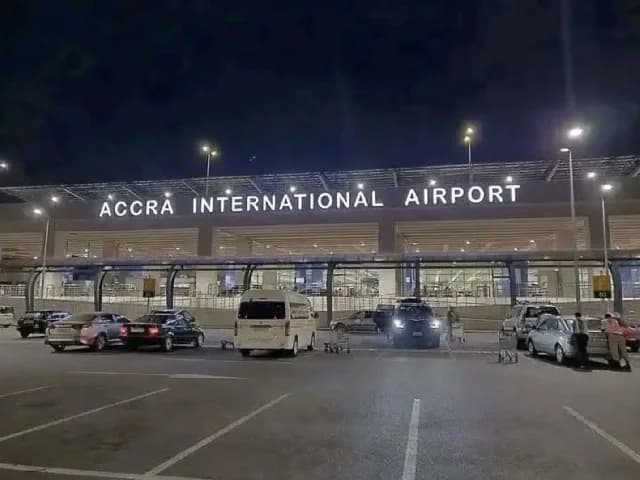
International travel between Ghana and the United Arab Emirates faced a sudden halt on February 28, 2026, as escalating military tensions in the Middle East forced the suspension of flights connecting Accra and Dubai. The disruption, which became apparent at Kotoka International Airport around 7:15 PM, saw the cancellation of major services including Emirates flight EK 788. This suspension is a direct consequence of tightening airspace restrictions across several Gulf states, triggered by significant military hostilities following Iranian attacks on United States military installations in the region.
The geopolitical volatility has prompted a series of emergency measures from aviation authorities and major carriers. Dubai International Airport, a critical global transit hub, has entered a state of partial closure as regional authorities respond to evolving security threats. To ensure passenger safety, major airlines have begun the complex process of rerouting or entirely suspending flights that traditionally traverse these now-contested conflict zones. These restrictive measures are not localized to the Gulf but are part of a broader security protocol implemented by multiple nations in the path of potential military activity.
In Accra, the situation has left hundreds of travelers stranded, creating a backlog of passengers at the international terminal. Many of those affected were using Dubai as a gateway to further destinations in Asia, Europe, and North America, highlighting the vulnerability of West African travel networks to Middle Eastern stability. Terminal staff and airline representatives are reportedly working to manage the growing crowds, though clear timelines for the resumption of services remain unavailable as long as the regional airspace remains restricted.
As the situation develops, aviation experts warn that the continued closure of key corridors could lead to prolonged delays and increased operational costs for airlines serving the Ghana-Dubai route. Passengers are being advised to monitor official communications from their respective carriers and to brace for further schedule adjustments. The current impasse serves as a stark reminder of the interconnectedness of global aviation, where distant geopolitical conflicts can instantaneously disrupt vital transportation links for travelers in West Africa and beyond.
