••
Environmental Crisis Grips Ghana as Research Warns of Wetland Loss Amidst Waste Failures and Galamsey Flooding
•3 min read•4 sources
Ghana is facing a critical convergence of environmental threats as new scientific research highlights the rapid degradation of vital wetlands, while urban centers grapple with a burgeoning waste management collapse and the devastating impacts of illegal mining. Recent studies led by Dr. Cynthia Laar of the National Nuclear Research Institute (NNRI) have sounded the alarm over the state of the Densu and Sakumo wetlands, which are suffering from intense urban expansion and dangerous levels of heavy metal pollution. The research, supported by the World Academy of Sciences (TWAS), revealed harmful concentrations of lead and arsenic, warning that the loss of these ecosystems poses a severe risk to national biodiversity and sustainable water resource management.
Parallel to the ecological decline of wetlands, the capital city of Accra is currently paralyzed by a severe waste disposal crisis. Residents in areas such as Jamestown, Laterbiokoshie, and the Kaneshie Market have reported being unable to dispose of household refuse for nearly a month, as major landfill sites reach full capacity. This systemic failure has forced many to resort to illegal dumping in drains and open spaces, significantly increasing the risk of disease outbreaks during the ongoing rainy season. Tricycle waste collectors have largely halted operations, citing their inability to access disposal sites, leaving traders and homeowners to contend with overflowing waste, foul odors, and rising health hazards.
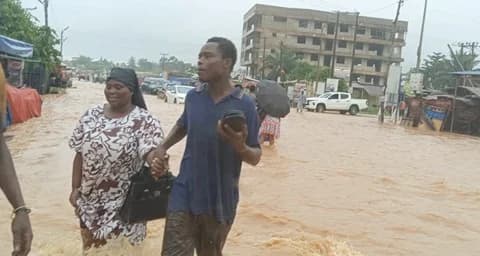
The environmental strain is further compounded by the persistent menace of illegal mining, or galamsey, which continues to drive unprecedented flooding in the Western and Central regions. In areas like Cape Coast and Samreboi, the destruction of riverbeds and farmlands has turned seasonal rains into deadly disasters, resulting in significant loss of life and property. Regional authorities and the National Disaster Management Organisation (NADMO) have emphasized that these floods are no longer mere natural occurrences but are the direct result of human activity and environmental crime. They have called for greater community accountability and a unified front against mining practices that strip the land of its natural drainage capabilities.
As Ghana navigates these interconnected crises, experts argue that the need for evidence-based policymaking and rigorous enforcement of environmental laws has never been more urgent. While international grants like the TWAS Seed Grant for New African Principal Investigators are fostering essential research, local leaders stress that sustainable change requires a collective moral commitment to land stewardship. The current situation underscores a looming sanitation and ecological emergency that demands immediate government intervention and a long-term strategy to protect the nation's natural resources for future generations.
This story touches markets covered on Anansi Intelligence ↗.
More from africa
Continue exploring similar stories


