••
Government to Decentralize 80% of Common Fund as Institutions Call for Robust National Planning and Energy Security
•3 min read•17 sources
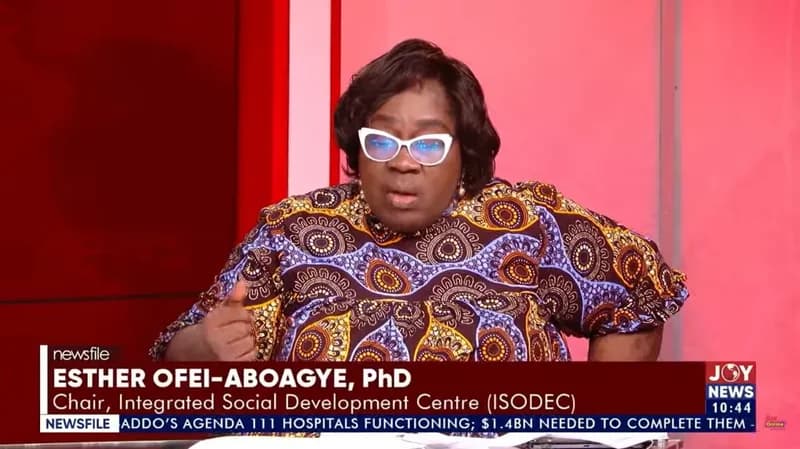
The Government of Ghana has announced a significant shift in local governance, pledging to transfer over 80% of the District Assemblies Common Fund (DACF) directly to Metropolitan, Municipal, and District Assemblies (MMDAs). Chief of Staff Julius Debrah revealed this initiative during a high-level meeting on the National Decentralisation Policy and Strategic Framework (NDPS) 2026-2030. This move is designed to enhance the autonomy of local assemblies, enabling them to respond more effectively to community development needs and improve service delivery. Local Government Minister Ahmed Ibrahim emphasized that political decentralization is essential for a more democratic process in selecting local leaders, a sentiment echoed by international development partners who stressed the need for improved accountability and citizen engagement.
This push for decentralization comes amid mounting criticism of urban planning failures and systemic corruption that have left cities like Accra vulnerable to catastrophic flooding. Experts like Dr. Esther Offei-Aboagye of the Inter-Ministerial Coordinating Committee on Decentralisation (IMCC) argue that years of poor planning, weak enforcement, and a lack of civic responsibility have fueled the sanitation and flooding crisis. These sentiments are mirrored by frontline workers like senior town planner Kwame, who describes a landscape where political interference and bureaucratic paralysis prevent the enforcement of building regulations, allowing illegal structures to obstruct vital waterways. Kofi Obeng-Ayirebi, former President of the Ghana Institute of Surveyors, further warned that fragmented district-level control often undermines cohesive infrastructure planning, suggesting that while local implementation is key, a unified national framework is necessary to achieve sustainable urban growth.
Beyond urban planning, the quest for institutional stability is being felt in the energy sector, where the Board of the Ghana Grid Company (GRIDCo) recently sought stronger ties with Parliament to secure the nation's power infrastructure. Meeting with Speaker Alban Bagbin, GRIDCo Chairperson Mrs. Kuukua Maurice Ankrah and CEO Frank Asirifi Otchere highlighted the challenges of illegal mining affecting transmission lines and the need for sustained investment following a fire incident at Akosombo. The engagement emphasized that energy security is inextricably linked to economic stability. Speaker Bagbin advocated for increased female representation in leadership and better public education on energy efficiency, reinforcing the idea that governance in the power sector requires collaborative, multi-dimensional strategies to support Ghana's industrialization goals.
Ultimately, professional bodies are calling for a fundamental shift in how Ghana approaches development, urging that national plans outlive electoral cycles. Ing. Yaa Obenewaa Okudzeto of the Ghana Institution of Engineering (GhIE) cautioned that frequent political transitions often undermine long-term progress. She advocated for strengthening institutions like the National Development Planning Commission (NDPC) to ensure that critical infrastructure projects remain insulated from the shifting winds of partisan politics. As the government moves forward with its decentralization agenda, the success of these reforms will depend on the ability of state institutions and local assemblies to balance increased autonomy with the transparency and professional integrity required to manage the country’s growing environmental and economic demands.
This story touches markets covered on Anansi Intelligence ↗.
More from politics
Continue exploring similar stories


