••
Ghana Data Science Summit 2026: Experts Call for Ethical AI and Quality Data to Fuel Digital Transformation
•2 min read•4 sources
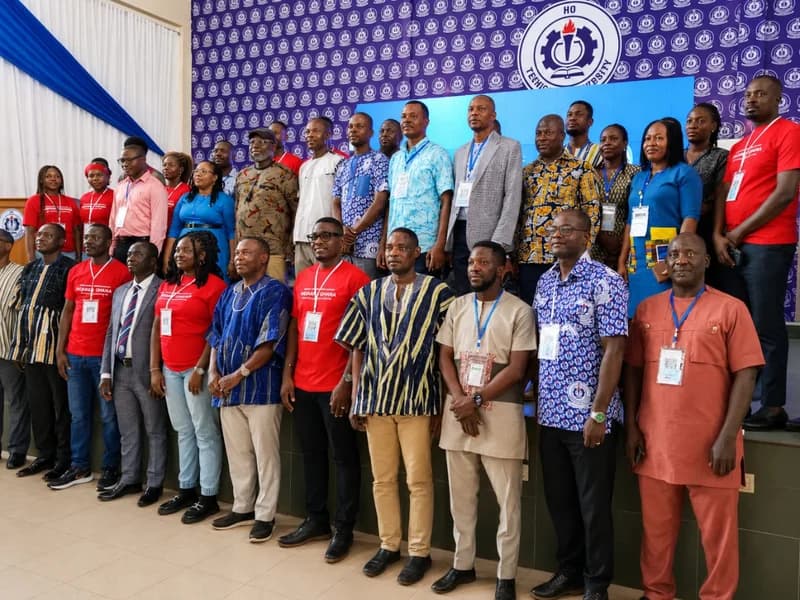
The Ghana Data Science Summit 2026, held on June 24 at Ho Technical University, highlighted the critical intersection of academia, quality data, and ethical artificial intelligence (AI) in driving the nation's digital transformation. Organized by IndabaX Ghana in partnership with Ho Technical University, the summit convened researchers, policymakers, and industry experts to explore the theme "Data First: Unlocking Ethical and Inclusive AI in Ghana." The event served as a clarion call for responsible technological integration to ensure that Ghana's economic growth is both sustainable and inclusive.
Key speakers throughout the event emphasized that the efficacy of AI solutions is fundamentally dependent on the quality and integrity of the underlying data. Dr. Augustine Denteh and Mr. James Gunu advocated for the responsible use of data, noting that while emerging technologies offer immense potential for national development, they must be deployed with caution. Furthermore, the Volta Regional Statistician, Mr. Louis Toboh, stressed that ethical AI necessitates high-quality, representative data. He identified transparency and fairness as the primary governance pillars required to build public trust and ensure equitable technological outcomes.
A major milestone announced during the summit was the launch of a new Master of Science program in Statistics and Data Science at Ho Technical University. Professor Ben Q. Honyenuga, the university's Vice-Chancellor, explained that this initiative is aimed at bolstering human capital for the burgeoning digital economy. By providing advanced training in data science, the university seeks to bridge the gap between academic research and industry needs, fostering a new generation of professionals capable of tackling complex societal challenges through data-driven innovation.
Despite the optimistic tone of the summit, participants also addressed significant barriers to progress, such as data fragmentation and digital inequalities. There was a broad consensus on the need for increased investment in data infrastructure and digital skills to bridge the gap between urban and rural areas. The summit concluded with a strong emphasis on collaboration between government, academia, and the private sector. By establishing robust AI governance and strengthening digital infrastructure, stakeholders believe Ghana can successfully build a resilient and competitive digital economy.
This story touches markets covered on Anansi Intelligence ↗.
More from technology
Continue exploring similar stories


