••
Ghanaian Creatives Urged to Prioritize Wealth Building and Ownership Over Global Visibility
•2 min read•4 sources
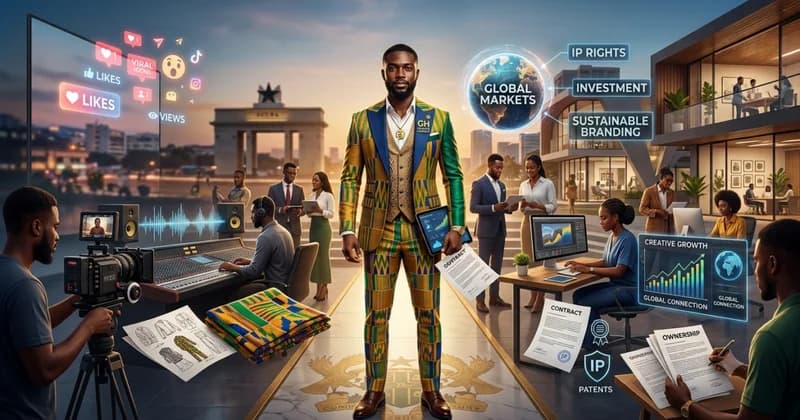
Ghana’s creative industry, spanning music, film, fashion, and digital media, is currently enjoying unprecedented global visibility. However, industry experts and stakeholders are warning that this surge in popularity has not translated into proportional financial security for many creators. While the world's eyes are on Ghanaian talent, a critical gap remains between international fame and the establishment of sustainable wealth. Industry analysts argue that the current celebration of "visibility" is insufficient if external stakeholders continue to control the majority of profits, leaving creators with little long-term economic control over their work.
To bridge this gap, there is an urgent call for a structural shift within the creative sector toward an ownership mindset. This involves establishing robust systems such as publishing rights, fair royalty frameworks, and data-driven decision-making processes. By viewing creative works as tangible assets rather than fleeting moments of fame, Ghanaian talents can better navigate the complexities of intellectual property and rights management. Experts suggest that building a sustainable creative economy requires an infrastructure that supports the capture of economic value, ensuring that the financial benefits of creative exports remain with the originators.
The human cost of this systemic lack of financial structure was highlighted by Derrick Abaitey, founder of the Konnected Minds Podcast. Speaking on "The Career Trail," Abaitey noted a troubling trend where many musicians find themselves broke shortly after achieving their biggest hits. He attributed this phenomenon to a lack of financial literacy rather than a lack of income. According to Abaitey, the skill set required to earn money through talent is entirely distinct from the discipline needed to manage and grow it. He emphasized that talent alone is insufficient for lasting wealth, urging creatives to seek professional financial advice and enhance their business acumen to avoid post-success poverty.
Ultimately, the transition from a talent-heavy industry to a robust economic pillar requires more than just artistic excellence; it demands strategic thinking and the professionalization of creative businesses. For Ghana to fully monetize its cultural output, creators must move beyond the allure of fame and focus on building lasting assets. By prioritizing financial literacy and asserting control over their intellectual property, Ghanaian creatives can ensure that their global influence translates into personal and national economic empowerment, securing their futures long after the spotlight fades.
This story touches markets covered on Anansi Intelligence ↗.
More from business
Continue exploring similar stories


