••
Ghana and Côte d'Ivoire Harmonize Cocoa Pricing as National Initiatives Bolster Women Farmers and Persons with Disabilities
•2 min read•3 sources
In a significant move to secure the livelihoods of West African farmers, Ghana and Côte d’Ivoire have formalized a Joint Declaration to harmonize their cocoa farm-gate pricing policies. This agreement, spearheaded by regional leaders, aims to stabilize the market and eliminate unhealthy competition between the two nations, which together account for approximately 60% of global cocoa production. By establishing common principles for producer prices and enhancing market transparency, the collaboration seeks to ensure fair remuneration for farmers and encourage local processing, strengthening the bargaining power of both countries in the volatile global market.
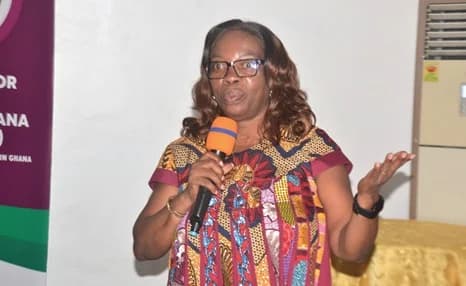
While international agreements target the cocoa sector, domestic initiatives are simultaneously addressing the economic rights of women in agriculture. The Network for Women’s Rights in Ghana (NETRIGHT) has successfully supported over 256 women farmers through its project, 'Leveraging Collective Power for Inclusive Sustainable Development.' Backed by the STAR Ghana Foundation and the African Women’s Development Fund, the initiative focuses on value addition to agricultural produce. NETRIGHT's leadership has emphasized that addressing systemic barriers—specifically limited access to land and finance—is critical for sustainable empowerment. A new phase of this project is scheduled to run from January 2025 to June 2026, aiming to further integrate women into formal economic structures.
At the grassroots level, the District Assembly Common Fund for Persons with Disabilities (DACF) is proving equally transformative in promoting self-reliance. The story of Abdul Wahab, a disabled Islamic teacher in Kpandai, illustrates the fund's impact; through DACF support, Wahab transitioned from street begging to owning a container shop and a new tricycle for improved mobility. By providing capital and equipment rather than temporary aid, the district-led program is helping persons with disabilities establish sustainable businesses, effectively restoring their dignity and independence within their communities.
Together, these developments represent a multi-tiered approach to economic resilience in Ghana, ranging from high-level international trade policy to targeted community support. Whether through the harmonization of cocoa prices to protect the national economy or the provision of resources to marginalized groups, the focus remains on fostering an environment where all citizens can transition from vulnerability to self-sufficiency. As these programs evolve, particularly with NETRIGHT’s upcoming 2025 cycle, the emphasis will continue to be on removing structural obstacles to ensure long-term inclusive growth.
This story touches markets covered on Anansi Intelligence ↗.
More from africa
Continue exploring similar stories


