••
Ghana Navigates Policy Reform and Political Reorganisation Amidst Legal Tensions and Accountability Drives
•3 min read•37 sources
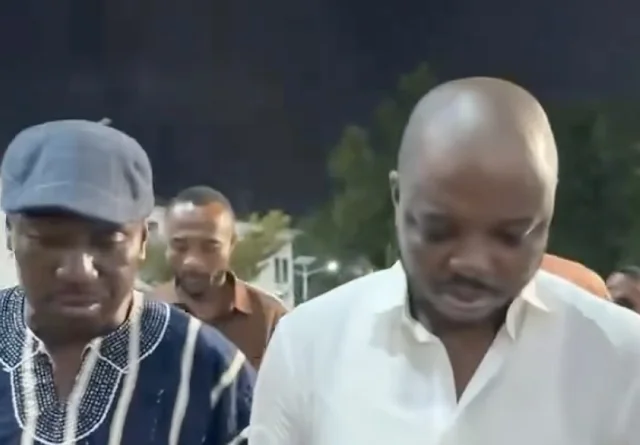
Ghana is witnessing a pivotal shift in its legislative and criminal justice landscape, led by the advancement of the Community Service Bill. Proposed by Interior Minister Muntaka Mohammed-Mubarak, the bill seeks to address chronic prison overcrowding by offering alternative sentencing for minor offenders, allowing them to serve the community for up to six months rather than face incarceration. This reform is bolstered by calls from President John Mahama, who has advocated for the "Think Prison, Think 360 Agenda." Mahama emphasizes that correctional facilities must evolve from punitive centers into reformative institutions that contribute positively to society, a sentiment echoed by the Ghana Prisons Service Council as facilities currently operate at 35% above capacity.\n\nSimultaneously, the political arena is thick with activity as the New Patriotic Party (NPP) prepares for future electoral cycles. The party recently unveiled a comprehensive reorganisation roadmap ahead of its 2026 internal elections, which includes a structured membership drive and clear financial requirements for executive roles, such as a GH¢50,000 filing fee for the national chairmanship. Demonstrating commitment to grassroots infrastructure, Deputy National Women’s Organiser Hajia Safia Mohammed recently donated significant construction materials and funds to the party’s Northern Regional office in Tamale. Meanwhile, National Democratic Congress (NDC) figures like Professor Naana Jane Opoku-Agyemang are intensifying regional engagements, underscoring a nation-wide effort by major parties to solidify their bases.\n\nHowever, these organisational efforts are playing out against a backdrop of increasing friction between political actors and state institutions. The recent arrests of NPP’s Bono Regional Chairman, Kwame Baffoe (Abronye DC), and Communications Officer Abubakar Yakubu, on charges of threats and false publications, have drawn sharp condemnation from the party leadership. Minority Leader Alexander Afenyo-Markin criticized the judiciary's handling of these cases, particularly slamming a Circuit Court judge's refusal to grant bail as a professional failure. The atmosphere of accountability is further heightened by the Economic and Organised Crime Office’s (EOCO) recent raid on the residence of former GIHOC MD Maxwell Kofi Jumah and the prosecution of former National Service Authority head Osei Assibey Antwi for alleged financial losses totaling GH¢431.76 million.\n\nAs the nation approaches these various political and legal crossroads, experts are urging caution regarding broader structural changes. Constitutional law expert Professor Kofi Quashigah has warned that "wholesale" constitutional reform may be impractical due to stringent legal safeguards, suggesting instead a more structured, incremental approach. This call for measured reform is complemented by proposals for a hybrid financing model for political parties to ensure transparency and reduce reliance on private donors. Together, these developments highlight a complex period for Ghana, where the push for systemic modernisation must balance intense partisan rivalry with the need for robust institutional accountability and public trust.
This story touches markets covered on Anansi Intelligence ↗.
Related topic
Ghana Prisons Service Recruitment: Latest News →More from politics
Continue exploring similar stories


